On this page
Most diseases in your biology book were understood piece by piece, over decades, by many people. Chagas disease is unusual: one young doctor found the parasite, the insect that carries it and the human illness within about a year. This post covers how Carlos Chagas did it, what historians say about the story, and how it connects to the protozoan diseases in NCERT.
Who was Carlos Chagas?
A history of the discovery by Simone Kropf and Magali Sá of the Oswaldo Cruz Foundation, published in História, Ciências, Saúde-Manguinhos, gives the background. Chagas was born in 1878 on a coffee farm near Oliveira in Minas Gerais, Brazil. He graduated in medicine in Rio de Janeiro with a thesis on malaria (1903), done under Oswaldo Cruz, the founder of Brazil's leading research institute.
In June 1907 he was sent to northern Minas Gerais to fight malaria, which was holding up work on the Central do Brasil railway. In the small settlement of Lassance he set up a laboratory in a railway wagon, which was also his bedroom.
How did he find the parasite before the disease?
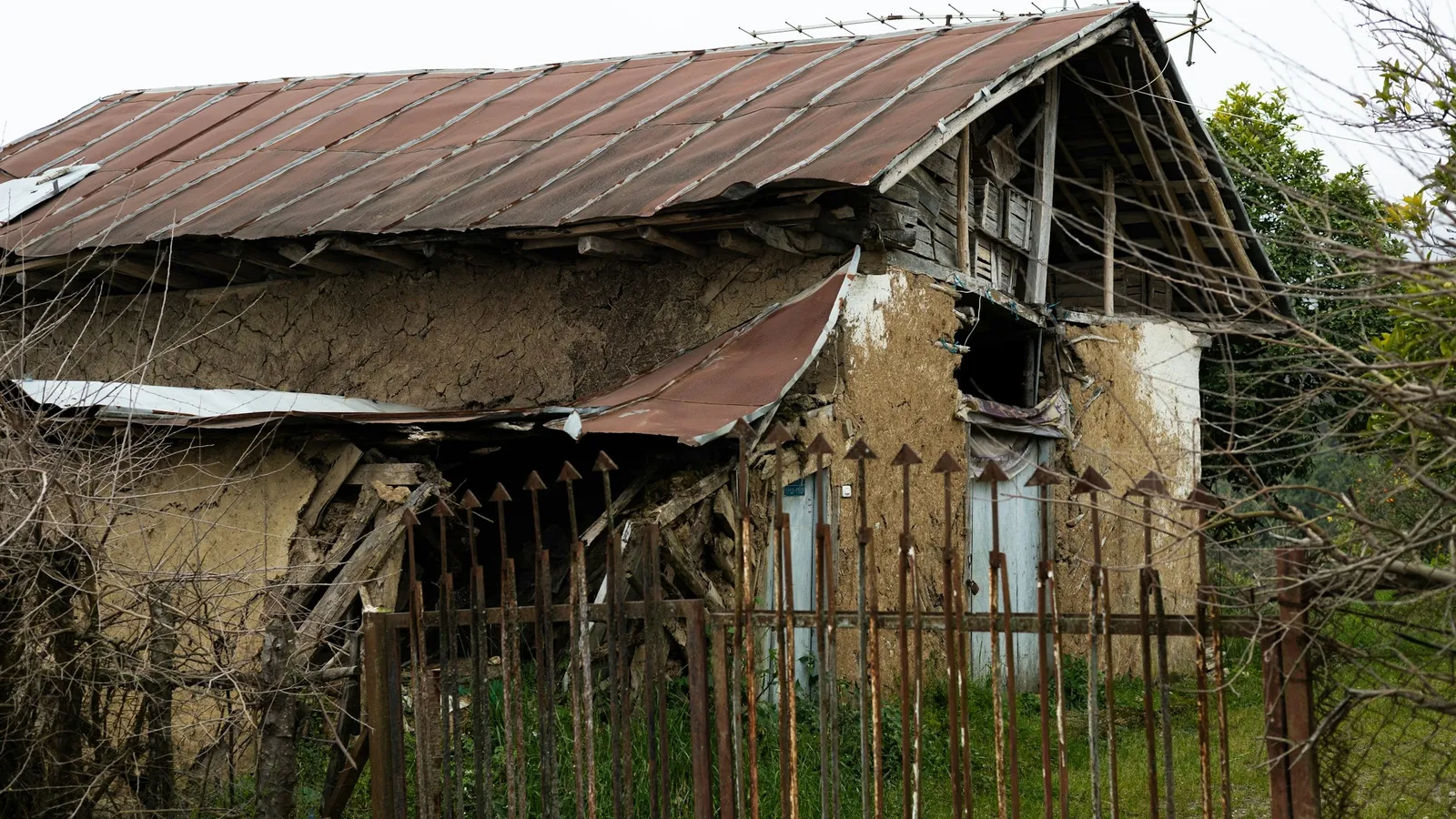
According to Kropf and Sá, an engineer told Chagas about a blood-sucking insect, locally called barbeiro, the "barber", because it bites people's faces while they sleep. It lived in the cracks of mud-and-wattle houses. Chagas examined some and found flagellated protozoa in their gut.
He had no proper laboratory in Lassance, so he sent bugs to the institute in Rio. There Oswaldo Cruz let them feed on laboratory-bred marmosets, which were free of infection. One monkey fell ill with trypanosomes in its blood. Chagas returned, confirmed it was a new species, and named it Trypanosoma cruzi after his teacher. He sent the description to a German tropical medicine journal in December 1908.
When did he find it in a person?
Suspecting that humans might be hosts, he went back to Lassance and tested residents and animals. He found the parasite in a cat, which pointed to a household cycle. Then, on 14 April 1909, he found it in the blood of a feverish, anaemic two-year-old girl named Berenice. She became the first recorded case of the new disease.
The WHO fact sheet on Chagas disease marks the same date: Chagas first diagnosed the disease in a person on 14 April 1909, and 14 April is now World Chagas Disease Day.
His full 1909 paper in Memórias do Instituto Oswaldo Cruz concludes that the bug is a true intermediate host of the parasite, and that the parasite completes its cycle inside the bug in at least 8 days.
Was it really a "unique achievement"?
Kropf and Sá note that Oswaldo Cruz and later writers praised the triple discovery of vector, parasite and disease as unique in medical history. They also show it was a product of its setting: German protozoologists were working at the institute, and Brazil's young republic wanted a symbol of national science.
The discovery won recognition, including the Schaudinn Prize in Hamburg in 1912 and a nomination for the Nobel Prize in 1913. From 1919, critics questioned how widespread the disease really was. Kropf and Sá say it is widely believed this controversy cost Chagas the Nobel Prize, for which he was nominated again in 1921. He kept working until his death in 1934.
What is Chagas disease like today?
The WHO fact sheet gives the current picture:
About 8 million people are estimated to be infected, mostly in Latin America, and more than 100 million are at risk.
The disease causes more than 10,000 deaths a year.
The bug does not inject the parasite with its bite. The parasite is in its faeces or urine, and enters when a person rubs them into the bite, a skin break, the eyes or the mouth.
It can also pass during pregnancy or birth, through blood transfusion, organ transplants or contaminated food.
Treated early, in the acute phase, it is curable. Without treatment, up to a third of people with chronic infection develop heart problems and about 1 in 10 develop digestive, neurological or mixed problems.
Worked example: reading a life cycle like an examiner
NEET questions on parasites usually test three things: the group, the vector and how the parasite enters. Apply them to T. cruzi.
Group. The NCERT Class 11 chapter Biological Classification places Trypanosoma among the flagellated protozoans of kingdom Protista, and gives sleeping sickness as its example disease. T. cruzi is a different trypanosome that causes a different disease.
Vector. A triatomine bug, not a mosquito.
Entry. Through the bug's droppings rubbed into skin, not through saliva. Compare this with malaria in our post on the Plasmodium life cycle, where the mosquito injects sporozoites as it bites.
Common mistakes: assuming every insect-borne parasite enters through the bite, and treating "Trypanosoma" as a single disease. Name the species and the route.
To keep protozoan groups straight, the Fermi Concept Library covers every concept in biology, so you can check where each parasite sits before an exam.
What can a student take from Chagas's way of working?
Follow the odd observation. A bug in a mud wall was not his assignment; malaria was. He followed it anyway.
Test each link. He did not assume the bug's protozoa caused disease. He showed it in monkeys, then in a cat, then in a child.
Expect argument. Even a strong discovery was challenged for years. Good evidence still has to be defended.
Next step: draw the T. cruzi cycle as three boxes, bug, house animal and human, and label how the parasite moves between them.