

On this page
It is a familiar pain: you buy a new pair of shoes, wear them for a long walk, and return home with a painful, fluid-filled bubble on your heel. While it feels like the shoe has simply rubbed your skin away, the actual physics and biology at work are entirely different.
Why do new shoes cause blisters?
When you walk, your bones and deep tissues move forward. Meanwhile, the tough outer layer of your skin (the stratum corneum) can get stuck against the stiff material of a new shoe.
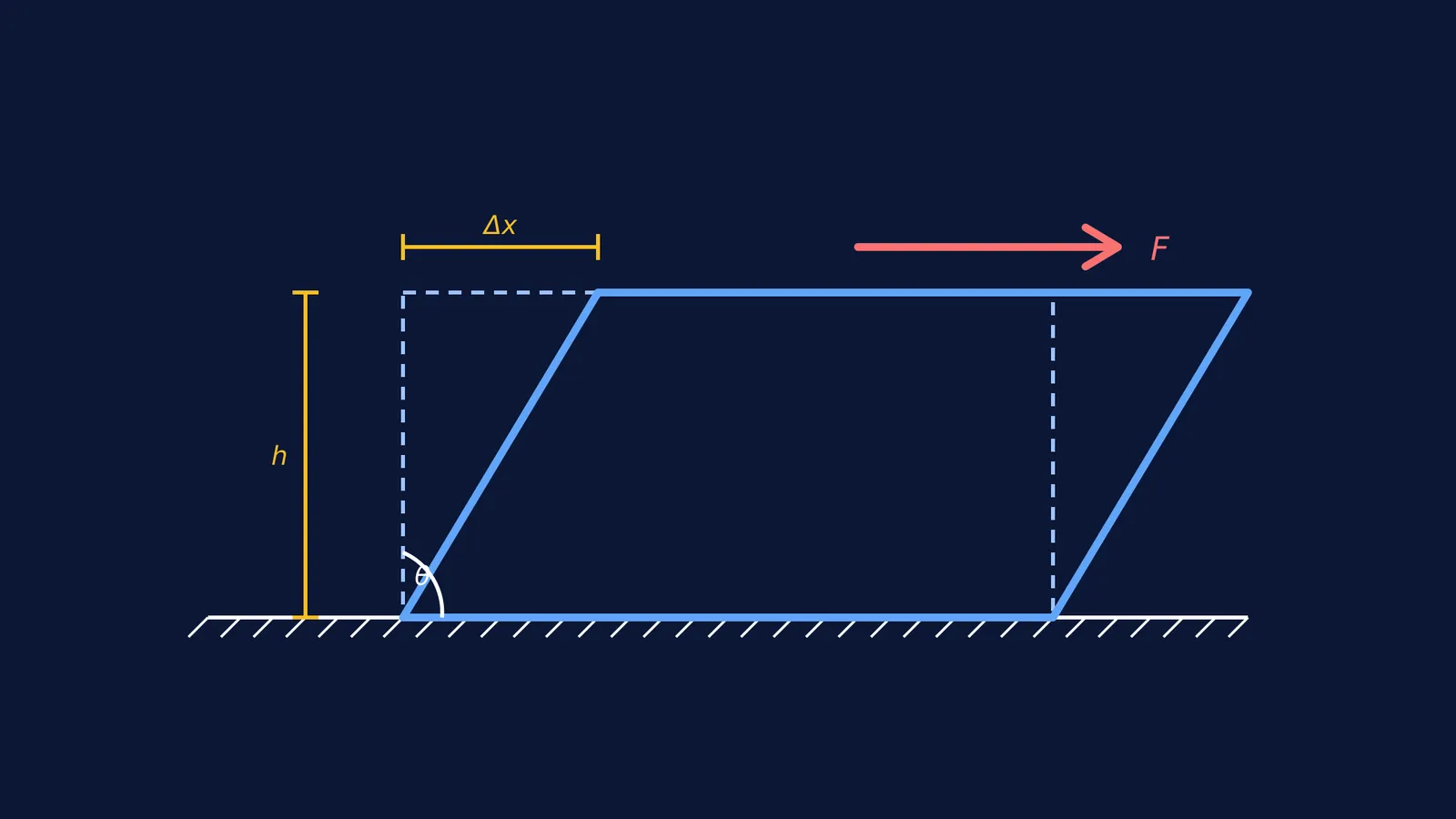
This creates a mechanical tug-of-war. The opposing motions cause shear deformation, a type of force that stretches the skin layers sideways rather than rubbing them away from the top down. If the traction between your shoe, sock, and skin is high enough, the skin surface is locked in place while the bone underneath continues to move. You might calculate this kind of force in friction problems, but here, the failure happens internally. The skin essentially fails under its own internal stress.
Where does the skin break?
The human skin is composed of the epidermis (outer layer) and dermis (deep layer). The epidermis itself is made up of several distinct layers. When shear forces are applied to the skin, they search for the weakest link.
The tear almost always happens in a specific middle layer of the epidermis called the stratum spinosum (the "prickly layer"). The cells in this layer are held together by intercellular bridges called desmosomes, which act like tiny biological spot welds. Under repetitive shear stress, these desmosomes eventually fatigue and snap. This creates a microscopic cleft or tear within the epidermis, leaving the living basal cells and the nerve-rich dermis intact at the bottom, and the tough outer layers forming a roof on top. Understanding how these layers connect is a key part of Class 9 tissue biology.
Why do blisters fill with fluid?
Once the internal tear forms in the stratum spinosum, the body reacts immediately to protect the raw tissue below. Hydrostatic pressure from the capillaries in the dermis pushes a sterile, plasma-like fluid (called serum) into the newly formed gap. This process fully forms the visible fluid-filled blister within two hours of the initial tear, according to a review in *Sports Medicine*.
If the shear force is severe enough to damage the deeper layers of the dermis, tiny blood vessels can rupture. When this happens, blood leaks out and mixes with the serum, forming a dark red or purple blood blister.
Why do some shoes cause more blisters than others?
A stiff new shoe does not bend easily with your foot. This stiffness dramatically increases the shear forces applied to the heel and toes. Moisture also plays a massive role in whether a blister will form.
Dry skin slides easily against a sock, meaning the shear force is low. Completely soaked skin (like when swimming) also has surprisingly low friction. However, damp skin—caused by moderate sweating inside a tight, non-breathable new shoe—creates the highest coefficient of friction. This stickiness transfers the maximum amount of shear stress directly into the stratum spinosum.
How can you prevent friction blisters?
The science of blister prevention focuses on reducing shear forces and managing moisture.
The military has studied this extensively because foot injuries are a major operational risk. A classic 1996 study in *Military Medicine* observed that 69% of U.S. Marine recruits wearing a standard single-sock system developed friction blisters during basic training.
To bring that number down, the researchers tested a double-sock system. Wearing a thin, moisture-wicking polyester liner under a thicker wool-blend sock significantly reduced the incidence of severe blisters. Instead of the sock shearing against the skin, the two layers of socks slid against each other, safely dissipating the friction before it reached the epidermis.
Here is a practical checklist for breaking in your next pair of new shoes comfortably:
Wear a liner sock: Mimic the military study by wearing a thin synthetic sock under a thicker, cushioned one.
Manage moisture: Avoid pure cotton socks, which hold onto sweat and increase skin traction. Choose synthetic blends, acrylic, or merino wool.
Pre-tape high-shear areas: Apply a smooth tape, like zinc oxide tape or moleskin, to your heels before the shoe causes damage. The tape provides a low-friction barrier for the shoe to slide against.
Break them in gradually: Wear new shoes for short periods initially. This softens the material so it eventually bends with the natural motion of your foot, reducing the opposing shear force over time.
If you are studying biological mechanics or physics for an exam, visualising these concepts can be incredibly helpful. The Fermi Simulation Lab offers interactive simulations for the ideas that are easier to see than to read.


