

On this page
JEE Main is held in two sessions, and your better score counts. That gives you two attempts in one year. It also creates a planning question for Class 12 students: how do you prepare for January, finish boards, and still improve by April? This post sets out what the official rules say and gives a plan for each phase.
When we checked the official JEE Main site in October 2026, the latest information bulletin listed there was the one for JEE (Main) 2026. The facts below come from that JEE (Main) 2026 information bulletin. NTA can change dates and rules each year, so read the 2027 bulletin as soon as it is published.
What the 2026 bulletin says about the two sessions
Dates. Session 1 for Paper 1 (B.E./B.Tech) was scheduled between 21 and 30 January 2026, and Session 2 between 2 and 9 April 2026, tentatively. The bulletin says the timing was chosen so the exam does not clash with board examinations.
Best score counts. You do not have to sit both sessions. If you do, the better of your two total NTA scores is used for the merit list. It is the best total, not the best score in each subject.
Separate applications. You could apply for Session 1 and pay for it, then apply for Session 2 separately when its window opened. You could also register for Session 2 only.
Ranks after Session 2. The All India Rank is compiled after Session 2.
Normalisation. Each session runs in several shifts, and raw marks are converted to NTA scores using a percentile method so that shifts can be compared.
What the 2026 paper looked like
Under the 2026 bulletin, Paper 1 had 75 questions for 300 marks in 3 hours. Each of Physics, Chemistry and Mathematics had 20 multiple-choice questions in Section A and 5 numerical-value questions in Section B. A correct answer earned 4 marks and an incorrect one lost 1 mark, in both sections. For Section B, the bulletin asks you to round the answer to the nearest integer and to calculate with any constants given in the question.
Negative marking on numerical questions changes how you should treat them. A careless guess now costs you. For more, read negative marking in JEE and NEET: when is guessing worth it?
A plan for each phase
Phase 1: September to December (build for Session 1)
Treat Session 1 as your main target, not a practice run. Finish the syllabus by early December if you can, and spend December on full-length mock tests under exam timing. Practise the numerical-value questions as a separate set, since they need a different kind of care.
Phase 2: Session 1 week
Don't try to learn new chapters in the final days. Revise your formula sheet and error log, sleep normally, and follow the admit card instructions exactly.
Phase 3: After Session 1 (late January to early February)
Spend one evening analysing your attempt using the provisional answer key and recorded response sheet that NTA publishes after the session. Sort lost marks into three groups: did not know, knew but slipped, ran out of time.
Phase 4: Boards and JEE together (February and March)
If your board exams fall in these weeks, they come first. Keep JEE alive with a short daily set of mixed problems, about 45 to 60 minutes, focused on the "knew but slipped" errors from Session 1.
Phase 5: Session 2 (the weeks before April)
Return to full mocks. Aim each week at the weakest group from your Session 1 analysis.
Decide early, then check the deadlines
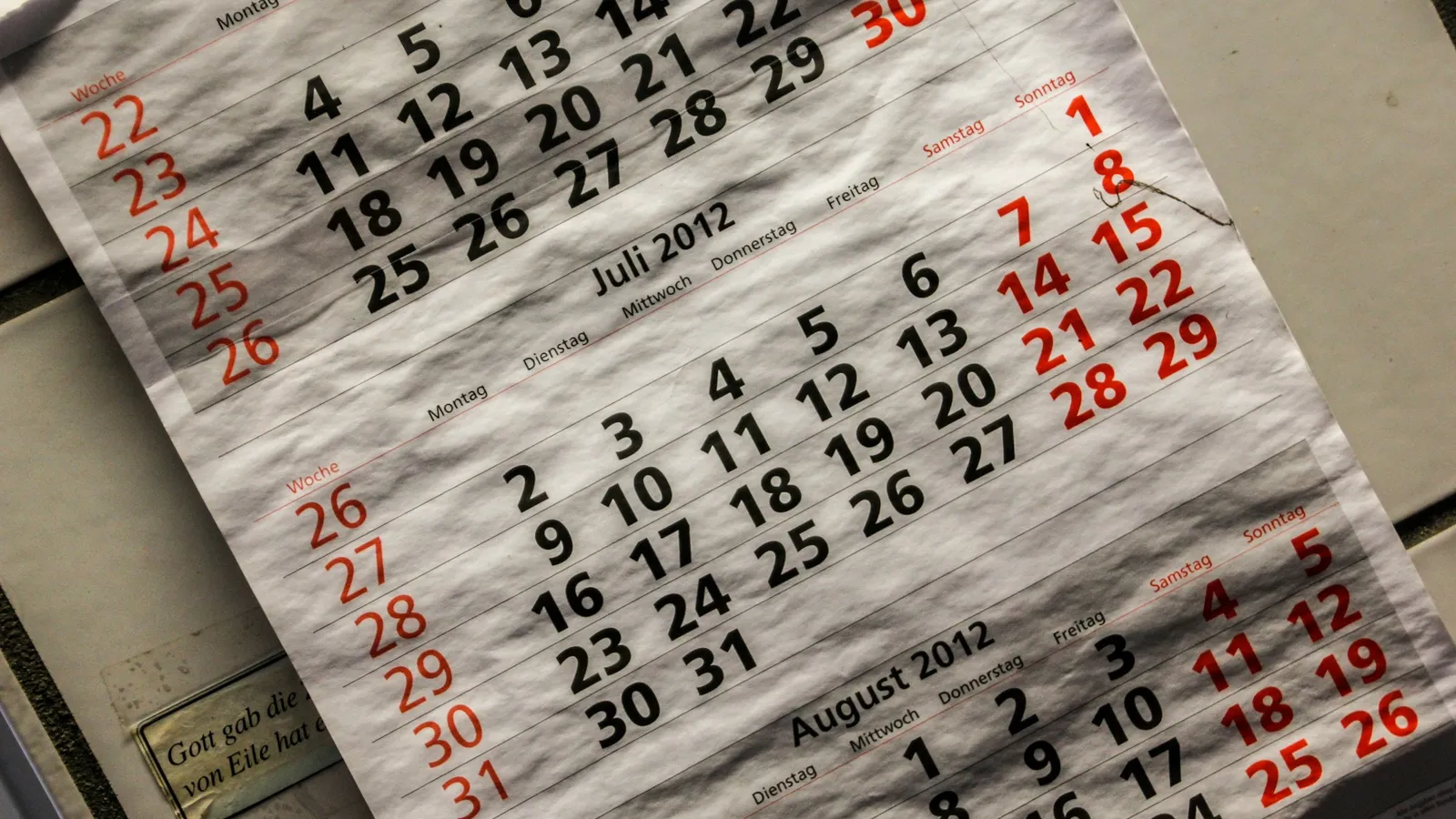
Decide in January whether you will take Session 2, so it doesn't become a last-minute choice during boards. Put the application window, correction window and admit card dates in a shared family calendar as soon as NTA announces them.
If you are not sure where to start after Session 1, Fermi's AI tutor can work out what you already know and build a plan for the session, so you sit down to a clear next step.
For the board overlap, see balancing Class 12 board exams with JEE preparation. For the post-Session 1 review, use how to analyse a mock test: a 60-minute review routine.
Bookmark the official site today and check it for the 2027 bulletin.


