

On this page
Footprints without Feet is Chapter 5 of Footprints without Feet, the NCERT supplementary reader for Class 10 English; you can read the full chapter in the official NCERT chapter PDF. It is credited to H.G. Wells, and the novel it comes from, The Invisible Man, was published in 1897, according to its Project Gutenberg listing.
What happens in Footprints without Feet? (summary in simple words)
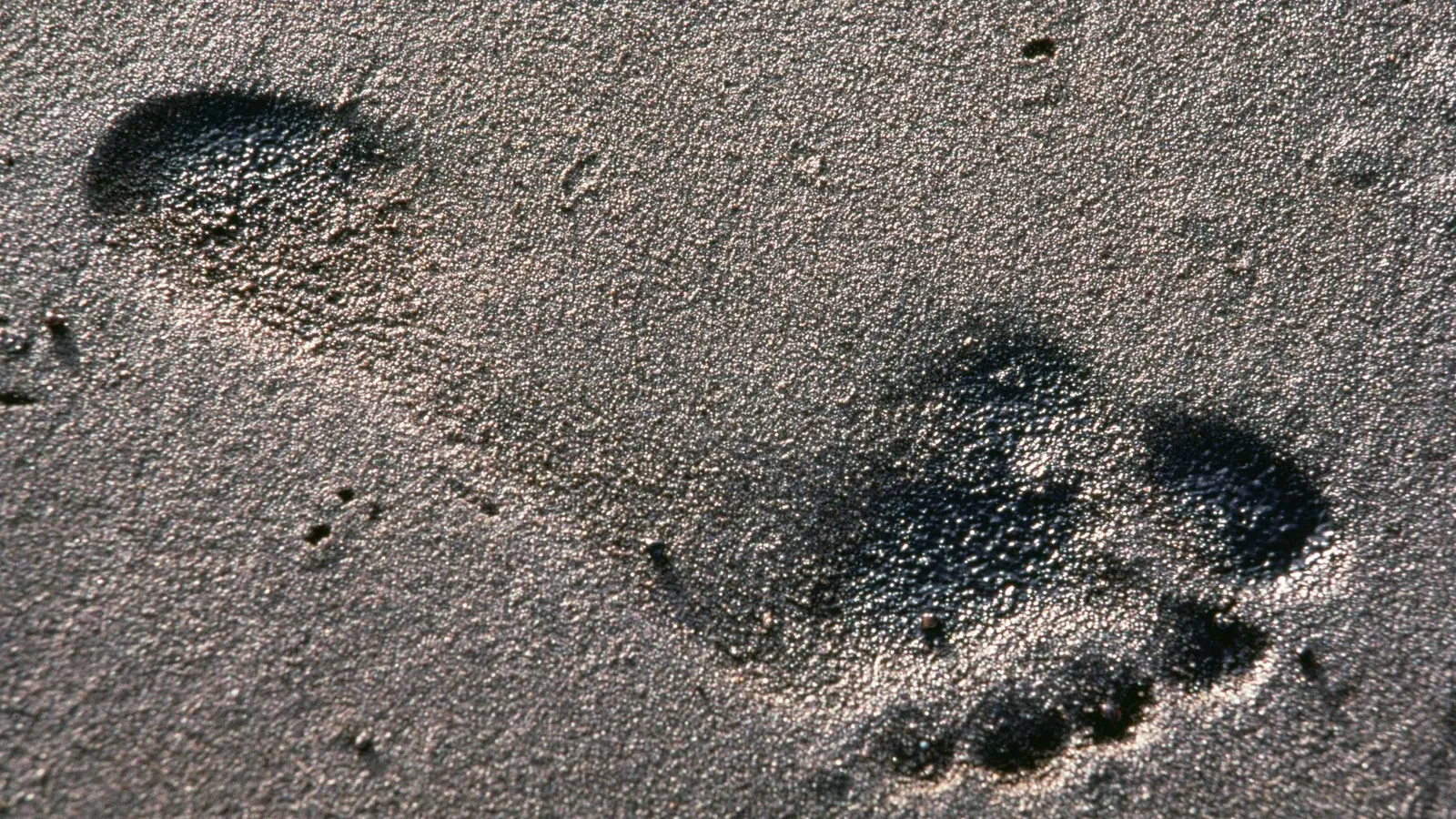
In London, two boys see fresh muddy prints of bare feet appear on the steps of a house, with nobody there, and follow them until they fade. The prints belong to Griffin, a scientist who has found a way to make the human body transparent. After many experiments he swallowed certain rare drugs and became as transparent as a sheet of glass, though still as solid as glass.
Griffin was brilliant but lawless. When his landlord tried to evict him, Griffin set fire to the house in revenge. To escape unseen he took off his clothes, which left him homeless, penniless and invisible in a bitterly cold London winter.
He slipped into a big London store, dressed himself in warm clothes, ate and slept there. He overslept, the shop assistants chased him, and he had to strip again to escape. Next he went to a theatrical company's shop in Drury Lane, put on bandages, dark glasses, a false nose and whiskers, then attacked the shopkeeper from behind and robbed him.
Griffin moved to the village of Iping and took two rooms at the inn, telling Mrs Hall that an accident had affected his face. When his stolen money ran out, a clergyman heard money being taken from his desk but found the study empty. Mrs Hall and her husband then found Griffin's room empty and were attacked by a flying hat and chair. When Griffin suddenly had cash again, the villagers suspected him. Confronted by Mrs Hall, he threw off his disguise and stood there headless. Constable Jaffers tried to arrest him, but Griffin pulled off his clothes, Jaffers was knocked unconscious, and Griffin escaped.
What crimes does Griffin commit, in order?
This list is your evidence for the chapter's first Think about it question, "Griffin was rather a lawless person."
Sets fire to his landlord's house in revenge.
Takes clothes, food and wine from a London store without paying.
Attacks and robs the shopkeeper in Drury Lane.
Steals the clergyman's housekeeping money at Iping.
Frightens Mrs Hall and her husband with the hat and chair.
Resists arrest; Constable Jaffers is knocked unconscious in the struggle.
What are the themes of Footprints without Feet?
Science without ethics. The chapter's own opening question asks whether Griffin uses or misuses his discovery. He uses it only to escape, take and hurt.
Power and responsibility. Invisibility makes Griffin feel free of rules, and he behaves as if no one can hold him to account.
Isolation. Griffin tells Mrs Hall he came to Iping for solitude and pushes everyone away, so his discovery leaves him homeless and alone.
Ordinary people against the extraordinary. Mrs Hall, the clergyman and Jaffers are confused but keep acting.
Who are the main characters in Footprints without Feet?
Griffin: brilliant, quick-tempered, lawless and selfish.
Mrs Hall: friendly and practical. She excuses a strange guest who paid in advance, until the money runs out and the furniture moves.
Mr Jaffers: dutiful and brave. He keeps hold of a man he cannot see until he is knocked out.
What questions can come from Footprints without Feet?
The chapter's Think about it section has two questions: "Griffin was rather a lawless person" (comment), and how you would assess Griffin as a scientist. Expect questions close to these, plus short ones from the Read and find out boxes, such as why Mrs Hall found the scientist eccentric. A worked plan for the second one:
Point: Griffin was a gifted scientist; he carried out experiment after experiment and made the body transparent.
Turn: he had no sense of responsibility and used his discovery only to steal, frighten and hurt.
Evidence: the fire, the Drury Lane robbery, the struggle with Jaffers.
Judgement: a brilliant scientist but a failed human being; talent without values becomes dangerous.
The Talk about it section also asks what makes glass or water transparent. That is a physics question about how light passes through a material, and the Fermi Concept Library gives every physics concept its own lesson, so you can read up on light before you answer it.
If you use an AI tool to summarise the chapter, check every event against the book; here is why AI summaries of literature sometimes invent details. For writing practice in the same paper, see our analytical paragraph format and sample, and for planning the run-up to the exam, our last 45 days before Class 10 boards plan.


