

On this page
When deciding on an engineering branch, many students wonder how Production and Industrial Engineering (PIE) differs from Mechanical Engineering. While both share a foundation in physics and mathematics, PIE shifts the focus from "how a machine works" to "how a factory and system work."
If you enjoy optimising processes, working with data, and understanding how a business moves products from raw materials to a customer's hands, PIE might be the right path for you.
How does it differ from Mechanical Engineering?
Mechanical Engineering covers the thermal and physical sciences—thermodynamics, fluid mechanics, and machine design. PIE builds on a lighter version of these but adds management science and systems engineering.
Instead of calculating the heat transfer of an engine, a PIE student might calculate the most efficient layout for an assembly line. The curriculum involves heavy statistics, probability, and operations research, replacing some of the advanced calculus and physics found in a mechanical degree. Mechanical engineers design the product; industrial engineers design the system that builds the product.
What subjects do you study?
The coursework for Industrial Engineering blends engineering with management to teach you how to eliminate waste of time, money, materials, energy, and other commodities. Core subjects include:
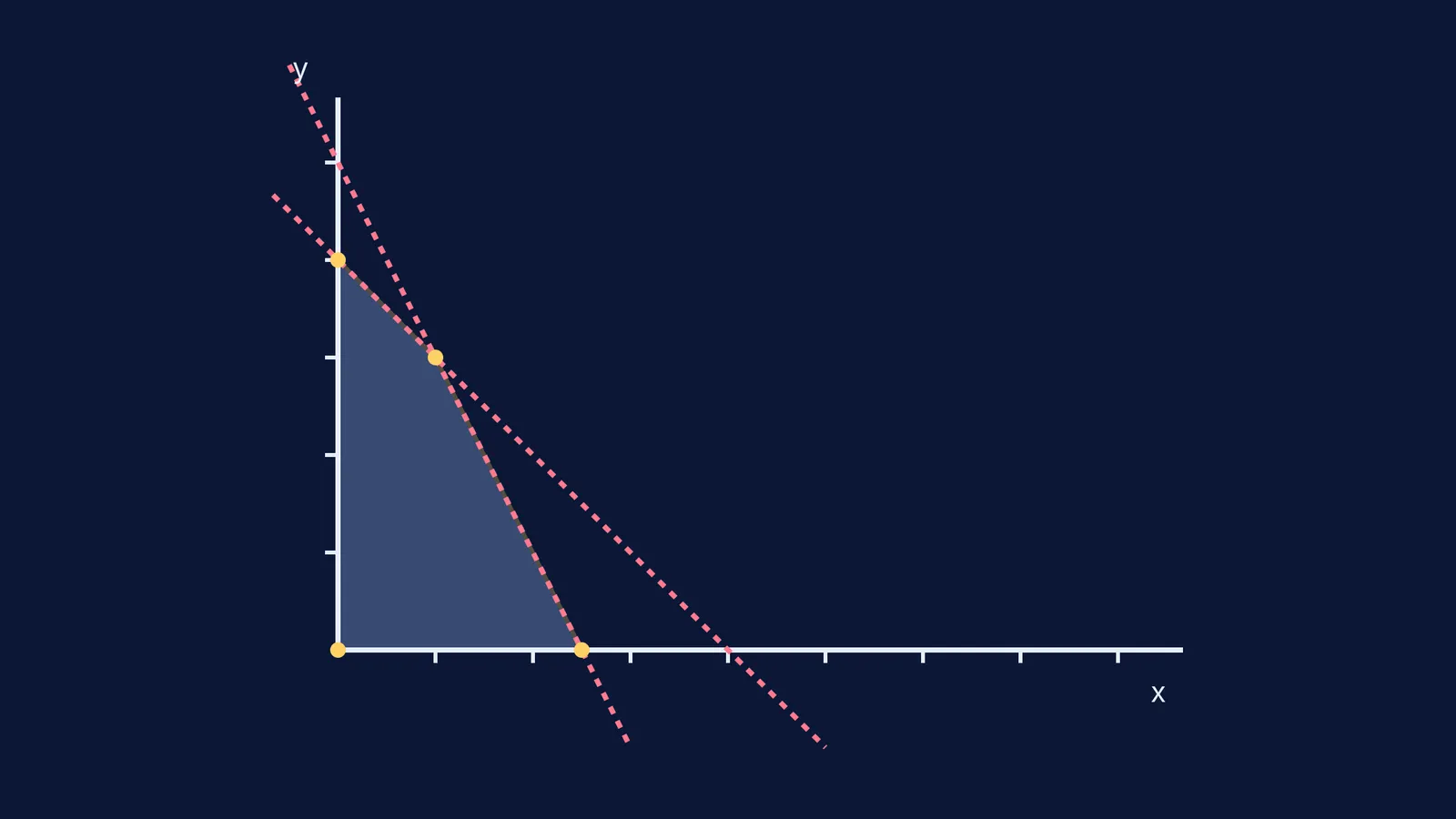
Operations Research: Using mathematical models, such as linear programming and queuing theory, to find the best way to allocate resources.
Supply Chain Management (SCM): Learning about logistics, real-time inventory optimisation, and managing how goods flow across the globe.
Quality Control: Applying statistics, including methodologies like Six Sigma, to ensure products meet standards without generating waste.
Work Study and Ergonomics: Designing workspaces and workflows that are safe, efficient, and comfortable for human workers.
Smart Manufacturing: Modern curricula often include robotics, artificial intelligence in manufacturing, and digital twins to prepare for Industry 4.0.
Students who need a step-by-step way to tackle complex operations research concepts or statistics can use the Fermi Problem Library to see the reasoning behind each mathematical model, rather than just jumping to an answer.
Career paths: Manufacturing, Operations, and Supply Chain
Graduates of PIE are versatile. Because their skills apply to almost any industry that has a process, they are not limited to traditional engineering roles. The skills learned in system optimisation make them valuable across several sectors:
Manufacturing: You might work as a plant manager, quality assurance manager, or process engineer in the automotive or steel industries, ensuring that production lines run smoothly and safely.
Supply Chain and Logistics: The rise of global e-commerce has made this a high-growth area. Logisticians are in demand to manage complex shipping networks, sourcing, and distribution.
Operations and Consulting: Because the degree focuses heavily on data, probability, and efficiency, many graduates join financial firms or "Big 4" consultancies as business analysts or operations consultants.
In India, engineering remains a popular choice. If you are preparing for exams to secure a seat, understanding the admission process is crucial, whether through TNEA: how Tamil Nadu engineering admission works without an exam or state tests like the Assam CEE: the state B.Tech entrance by ASTU, rules and pattern.
A framework for choosing your branch
If you are torn between Mechanical and Production/Industrial Engineering, use this practical decision checklist:
Your favourite subjects: Do you prefer core physics (thermodynamics, mechanics) or applied mathematics (statistics, probability)? Choose Mechanical for physics, PIE for statistics.
Your preferred work environment: Do you want to sit at a CAD terminal designing a physical part, or walk the factory floor and analyse data to speed up a process? Choose Mechanical for design, PIE for process analysis.
Your interest in business: Are you interested in the business side of engineering, such as cost reduction, supply chains, and management? PIE bridges the gap between engineering and an MBA.
Your view of coding: Are you interested in using programming for data analysis and system simulation? PIE relies heavily on data science tools.
If you prefer pure design and core physics, Mechanical Engineering might be a better fit. However, if you are drawn to the big picture of how businesses operate, enjoy statistical analysis, and want a degree that bridges engineering and management, Production and Industrial Engineering offers a robust and flexible career path.


