

On this page
School and college fests in India are massive events. From securing sponsorships to managing the sound system during the final performance, the fest organising committee runs the show. But if you are balancing JEE, NEET or board exams, you might wonder if the time away from your books is worth it.
Here is a look at the skills you actually gain, the time it costs, and how to decide if you should sign up.
What skills do you gain from organising a college fest?
Organising an event is a form of project-based learning. You are given a budget, a deadline, and a team, and you have to deliver a result.
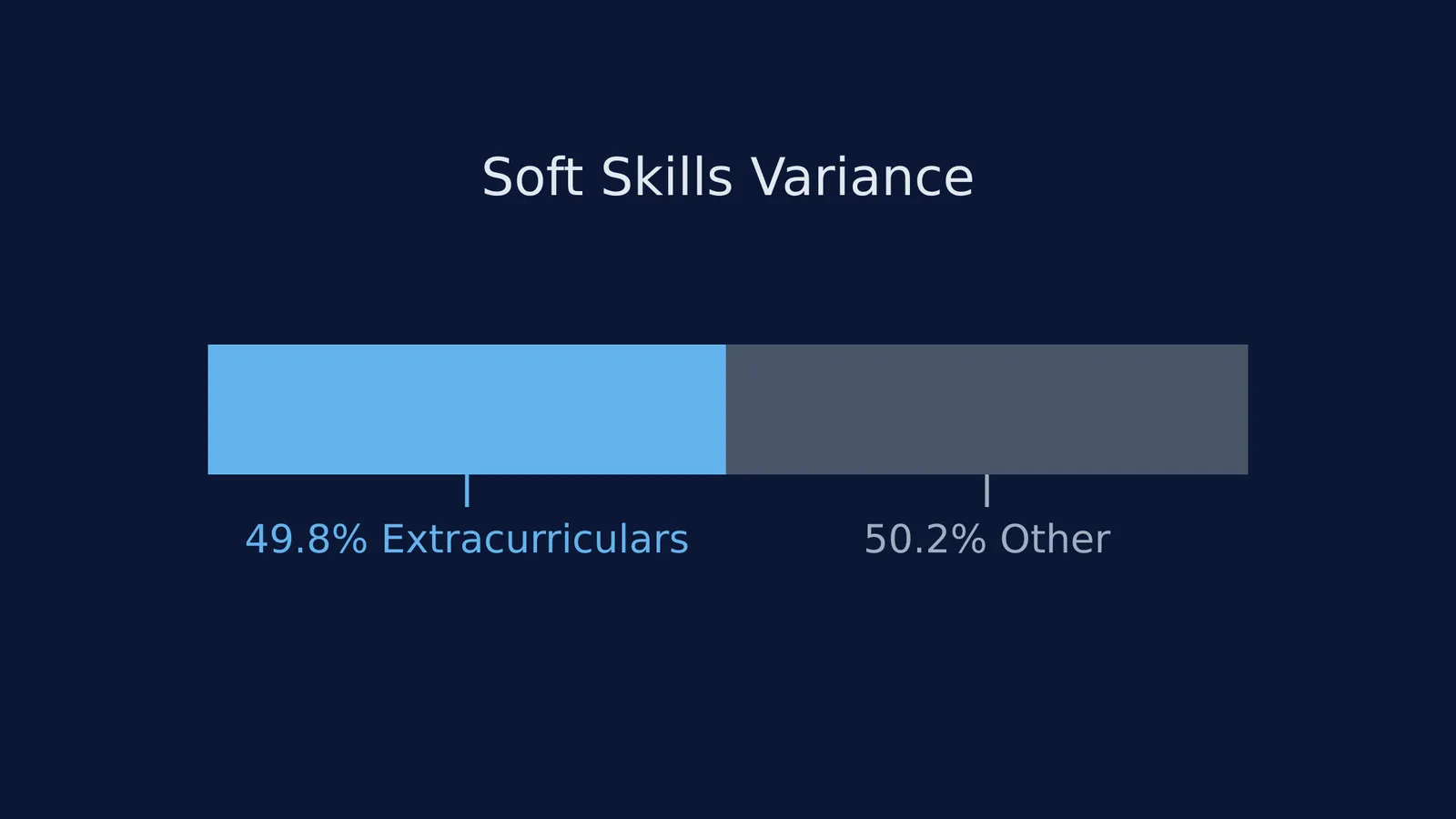
Extracurricular activities and project-based learning jointly explain 49.8% of the variance in students' soft skills, according to a 2026 study [[1]](https://doi.org/10.20961/jikap.v10i4.119501). When you join a committee, you learn to:
Manage logistics: You figure out how to transport 50 chairs across campus or ensure the guest speaker arrives on time.
Pitch for sponsorships: You learn to walk into a local business, explain your event, and ask for funding.
Work in a team: You have to cooperate with people you might not choose as friends, resolving conflicts to get the job done.
Does extracurricular participation impact academic performance?
The main worry for students and parents is that organising a fest will ruin grades. The evidence suggests that, if managed well, it does not.
Participating in extracurricular activities is associated with gains in student attendance and language test scores [[2]](https://doi.org/10.46328/ijres.5412). Being part of a team gives you a reason to show up and stay engaged with your school or college.
However, there is a tipping point. Older students with heavy extracurricular responsibilities often experienced failing to beat academic targets, limiting their time for review and sacrificing their academic undertakings [[3]](https://doi.org/10.18510/hssr.2020.8423).
How much time does organising a fest cost?
If you take on a core role—like the overall coordinator or head of sponsorships—you will lose days of study time in the final weeks before the fest. If your exams are immediately after the event, your preparation will suffer.
To balance both, you need strict time boundaries:
Define your hours: Tell your committee exactly when you are available (for example, "I can help between 4 PM and 6 PM on Thursdays").
Do not skip the hard chapters: When time is tight, students often revise what they already know. Instead, you need a triage plan to clear a chapter backlog quickly.
Block your time: Use time blocking for students to ensure your fest meetings do not bleed into your physics revision.
How does Fermi help you save time?
When you are juggling committee meetings and classes, you cannot afford to sit at your desk wondering what to study next.
This is where Fermi's AI tutor helps. You bring the topic or problem set, and Fermi works out what you already know. It builds a plan for the session and teaches through it, so you sit down to a clear next step rather than a blank page.
If you miss a lecture because you were securing a venue for the fest, the Fermi Concept Library has every concept mapped out, complete with its own lesson, so you can catch up efficiently.
Joining the organising committee teaches you how the real world works. If you plan your study time carefully, you can gain those skills without sacrificing your academic goals.


