

On this page
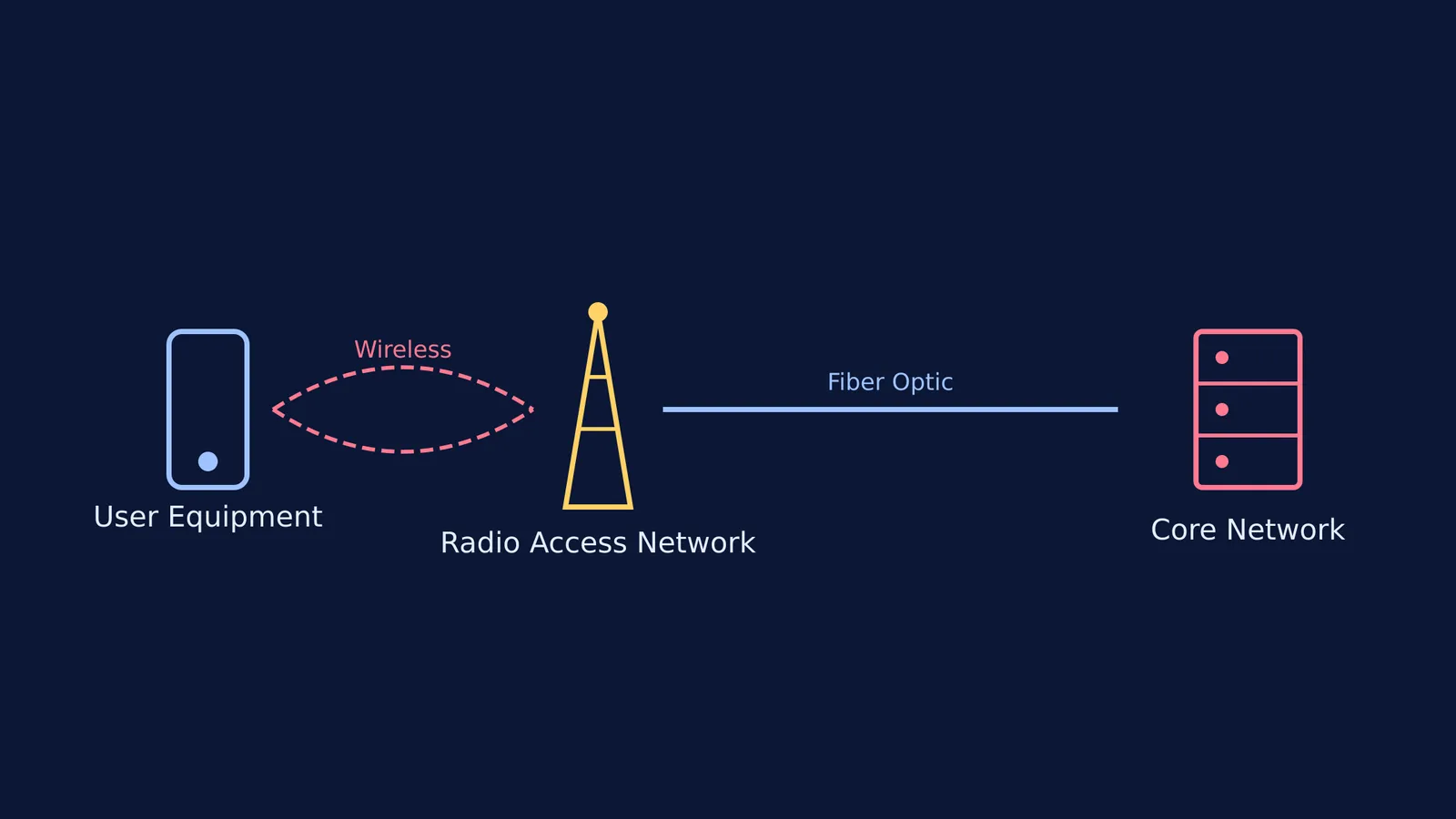
Behind every smooth video call and instant message is a vast, physical infrastructure of cables, cell towers, and data centres. A career in telecom and networking is about designing, building, and maintaining this invisible web. If you are pursuing Electronics and Communication Engineering (ECE), you are already studying the core principles that make global communication possible.
While software engineering often gets more attention, the software itself cannot function without the hardware and networks that transmit its data. The industry is currently undergoing a massive shift, requiring engineers who understand both traditional radio frequencies and modern cloud-based networks.
What is the career scope in telecom and networking?
The demand for networking professionals is directly tied to the exponential growth in global data consumption. As more devices connect to the internet and 5G networks become the standard, telecom operators require specialized engineers to handle the load.
According to TeamLease's Employment Outlook Report for 2026, 48% of employers in the Indian telecom sector expect to increase hiring (TeamLease). The report highlights a positive hiring outlook, fueled by investments in 5G Advanced, Fixed Wireless Access (FWA), and AI-led data centres. This expansion means opportunities are not limited to traditional telecom operators; internet service providers, cloud infrastructure companies, and large tech corporations also hire heavily from ECE backgrounds.
What roles are available in telecom and wireless systems?
The telecom sector offers a variety of roles depending on your specific interests within ECE. The path you choose will dictate whether you spend your time at a desk configuring cloud networks or in the field optimizing physical antennas.
RF (Radio Frequency) Engineer: RF engineers are responsible for the physical wireless connection between devices and cell towers. They design antenna placements, optimize signal strength, and ensure that a network provides consistent coverage without dead zones. With the rollout of 5G, RF engineers are in high demand to manage the complexities of higher frequency bands.
Network Architect: These engineers design the overall structure of a communication network. They decide how different routers, switches, and servers should connect to handle data efficiently and securely. This role requires a deep understanding of network protocols and cloud architecture.
Telecom Software Engineer: As networks become more virtualized, there is a growing need for engineers who can write code to automate network management. They develop the software that controls how data is routed and how networks heal themselves when a hardware component fails.
As we discuss in our guide on talking about STEM careers beyond engineering and medicine, explaining these specific roles can help students and parents look beyond the generic title of "engineer" and understand the practical impact of the work.
Which subjects prepare you for a networking career?
An ECE curriculum is specifically designed to build the foundation for these careers. The subjects you study in your first semester at science or engineering college and throughout your degree are directly applicable to the daily tasks of a telecom engineer.
Signals and Systems: This is the bedrock of communication engineering. It teaches you how to represent physical phenomena (like a voice or a data stream) mathematically, allowing you to manipulate and transmit them over long distances.
Digital Communication: You learn how continuous analogue signals are converted into the discrete 1s and 0s that computers understand. This includes studying modulation techniques, error correction, and data compression.
Computer Networks: This subject introduces the rules of the internet. You will study the OSI model, TCP/IP protocols, and how data packets are routed from a server halfway across the world to your mobile phone.
Electromagnetic Field Theory: For those interested in RF engineering, this subject is essential. It covers how radio waves propagate through space, how antennas work, and how different materials affect signal transmission.
To succeed in the modern telecom industry, you should also proactively build skills in programming (Python is widely used for network automation) and familiarize yourself with cloud computing concepts. If you find the advanced mathematics and physics challenging during your studies, the Fermi Problem Library has worked problems with a step-by-step solver that explains the reasoning rather than printing an answer.


