On this page
Getting into a college club is no longer just about signing your name on a sheet at the involvement fair. For many students, the recruitment process has become as intense as applying for a corporate job, complete with multiple rounds of interviews, technical tasks, and low acceptance rates.
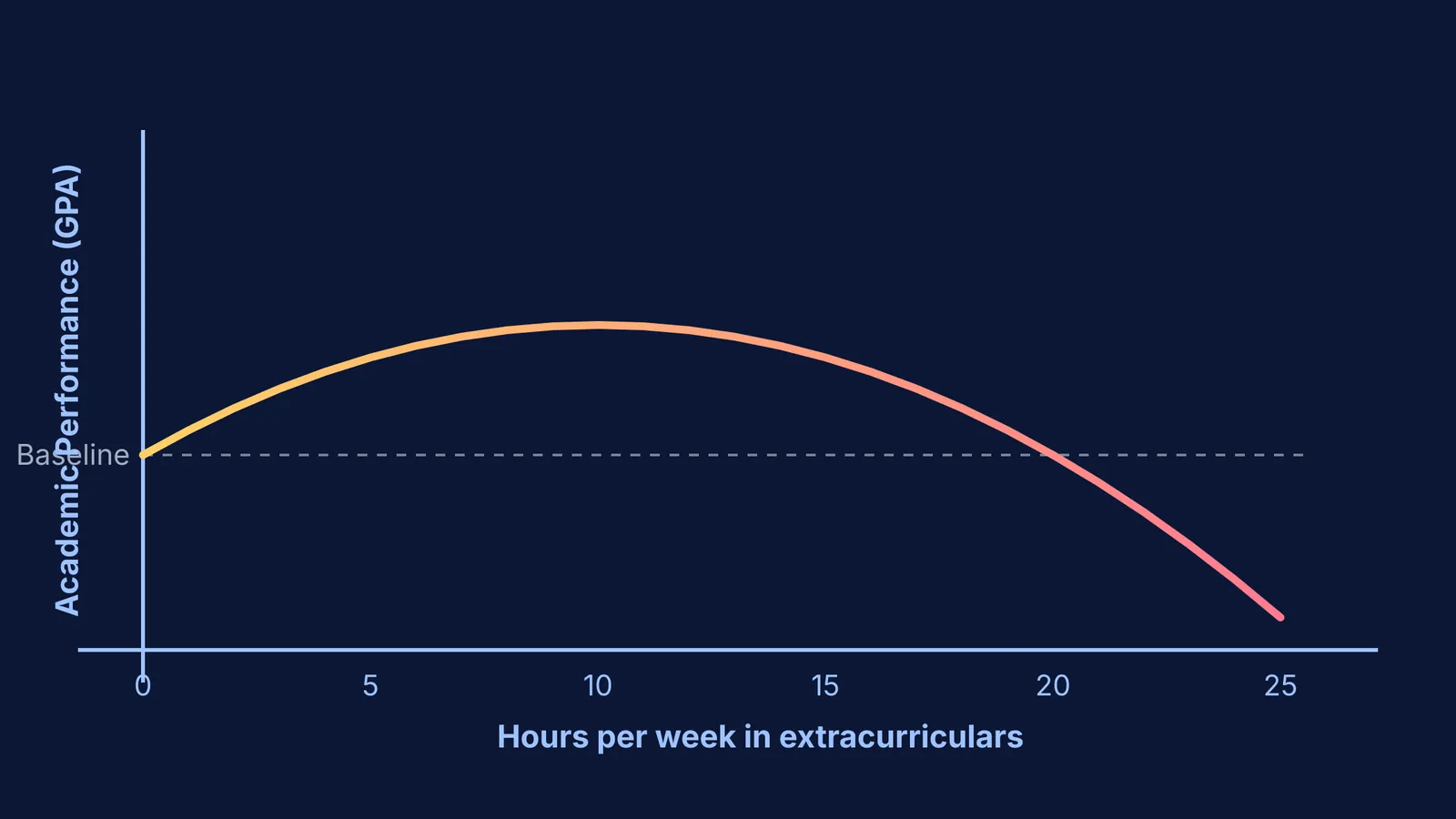
The competition is steep because the rewards are real. Some elite consulting and finance clubs at universities accept fewer than 5% of applicants, making them harder to get into than the colleges themselves. Yet, the effort pays off academically and professionally. A 2010 study by Purdue University found that student organization members earned significantly higher average GPAs than the general student population, with club officers scoring the highest of all.
Here is what clubs are actually testing during their "comp" or recruitment process, and how you can stand out among hundreds of applicants.
What do college clubs test in tasks and case studies?
Many clubs require applicants to complete a task, a case study, or a competency trial. These tasks are designed to see how you think under pressure, rather than just what you already know.
The creative pitch: If you are asked to market an event or design a campaign, the club is testing your ability to hook an audience. Do not just offer generic ideas like "post on social media." Suggest a specific theme, a targeted audience, or a timeline that builds hype leading up to the event.
The technical test: For coding, engineering, or consulting clubs, you will often face a problem-solving test. Interviewers care more about your logic than the final answer. If you get stuck, explain your thought process out loud. When you practice for these, using a tool with a step-by-step solver that explains the reasoning rather than printing an answer—like the Fermi Problem Library—helps you articulate your method clearly.
The group discussion: In situational tasks, you will often work with other applicants to solve a simulated problem. The club is testing your teamwork and conflict resolution. Acknowledge others' ideas and build on them, showing you can both lead and listen, much like running study groups that work.
How do you show genuine interest in a club interview?
Clubs want members who will actually show up and contribute, not just pad their resumes. Generic answers are the quickest way to seem uninterested to student interviewers who are dedicating their free time to the process.
Do a deep dive into the club's recent activities before you step into the interview room. Instead of saying, "I like your events," say, "I saw the technical workshop you hosted last month, and I loved how it broke down complex topics for beginners." Taking the time to reach out to a current member for a quick chat beforehand also shows you are serious about understanding their culture.
When they ask why you want to join, use the "past, present, future" framework to structure your answer:
Past: Briefly mention an interest or related activity from high school that sparked your passion for the subject.
Present: Explain what drew you to this specific club during your first semester at college, and why their culture appeals to you.
Future: State exactly how you want to contribute, such as offering to manage their newsletter, recruit speakers, or help organize a specific upcoming event.
What should you prepare for the interview day?
Before you walk into the interview room, make sure you have prepared these essentials to demonstrate your readiness and professionalism:
The "invisible backpack" of stories: Prepare three versatile stories from your past. You need one about a time you resolved a conflict, one about a failure and what you learned from it, and one about a time you took the initiative. Frame these using the Situation, Task, Action, Result (STAR) method so your answers stay concise and impactful.
High-level questions: When they ask, "Do you have any questions for us?", never ask something you could easily find on their website. Instead, ask about their goals, such as "What is the biggest challenge the club is facing this year?" or "What project are you most proud of completing?"
The follow-up: Send a brief thank-you message after the interview. Mention a specific moment from your conversation to show you were actively listening and appreciate their time.
Treat the recruitment process as a learning experience. Even if you do not get in on your first try, the skills you build while preparing will make you a stronger candidate for internships, research roles, and future opportunities. Always ask for feedback if you are rejected, so you know exactly what to improve for the next recruitment cycle.