

On this page
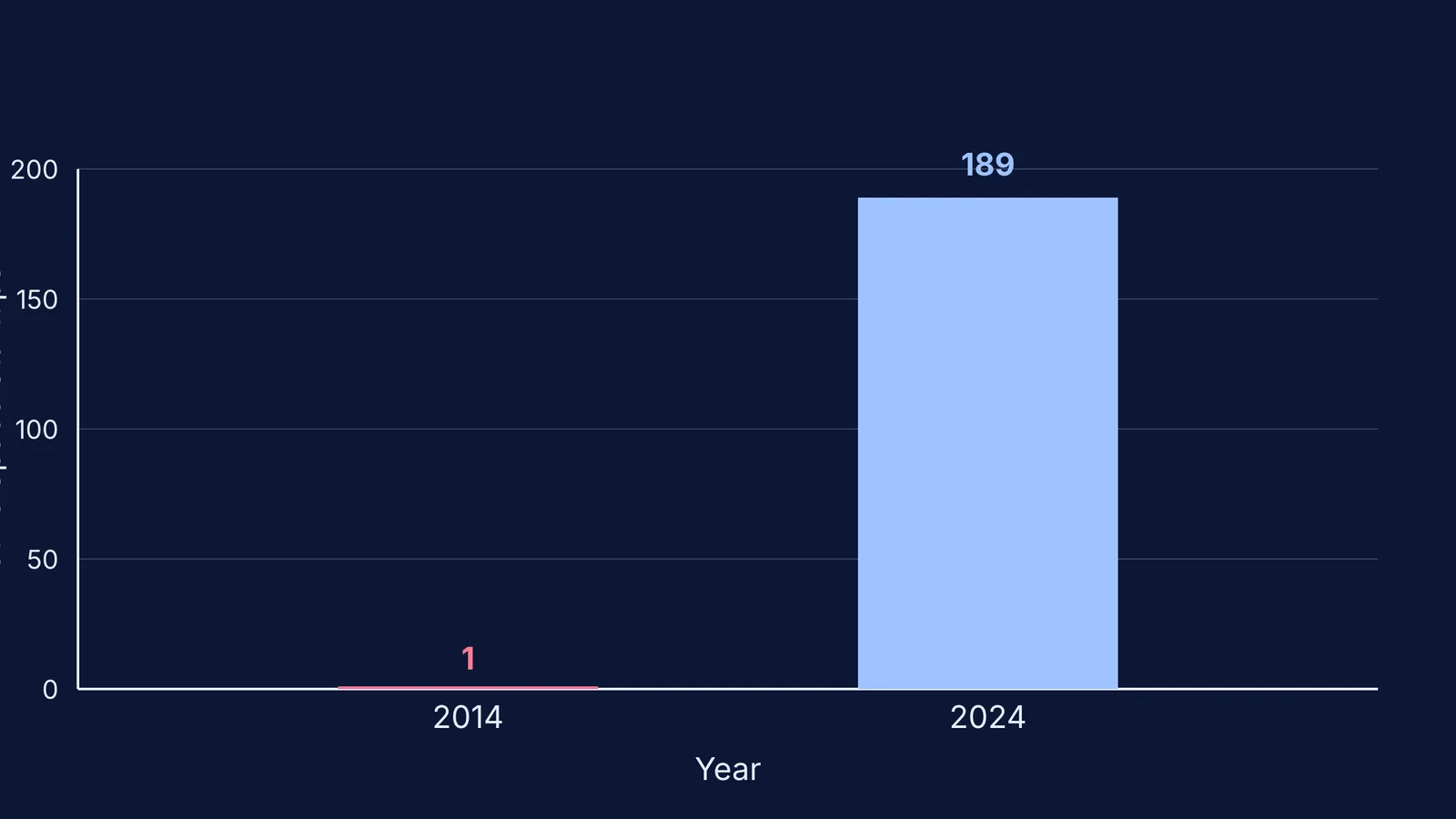
Working in the Indian space industry used to mean one thing: getting a job at the Indian Space Research Organisation (ISRO). Today, the landscape has changed. The Economic Survey 2023-24 notes that India now has nearly 200 space startups, up from just one in 2014. From building launch vehicles to designing hyperspectral satellites, the ecosystem has opened new paths for engineers and scientists.
Whether you aim for the government sector or a fast-moving private company, the core requirements remain the same: a deep understanding of physical laws and the engineering skills to build things that survive extreme conditions.
How to work in the space industry in India?
There are two primary routes into the Indian space sector today: the traditional government path through ISRO, and the emerging private sector path.
1. The ISRO Route ISRO is the backbone of India's space programme, responsible for missions from Chandrayaan to Gaganyaan. The most direct path for school students is through the Indian Institute of Space Science and Technology (IIST) in Thiruvananthapuram. Admission to IIST is based on JEE Advanced scores, and top-performing graduates are often absorbed directly into ISRO centres as Scientist/Engineer 'SC'.
If you pursue engineering elsewhere, you can join ISRO through the ISRO Centralized Recruitment Board (ICRB) exam. This route requires a B.E. or B.Tech degree with a strong academic record.
2. The Private Space Startup Route Companies like Skyroot Aerospace, Agnikul Cosmos, and Pixxel are driving the private sector. Unlike ISRO, which relies heavily on centralized written exams, startups hire based on technical skills, portfolios, and hands-on experience. They look for students who have built student satellites, designed drones, or mastered engineering software during their degree.
What degrees do you need for a space career?
Spacecraft are complex systems requiring multiple disciplines to work together. The most common degrees for entering the industry are:
Aerospace and Aeronautical Engineering: For designing launch vehicles, calculating the equation of trajectory of a projectile, and working on aerodynamics and propulsion.
Mechanical Engineering: For structural design, thermal management, and ensuring components survive the vibrations of launch.
Electronics and Communication Engineering: For avionics, telemetry, and payload sensors, building on the legacy of scientists like K. Kasturirangan and India's remote sensing satellites.
Computer Science Engineering: For writing flight software, processing satellite imagery, and developing guidance algorithms.
Physics and mathematics are the foundation of all these degrees. Fermi's AI tutor works out what you know and builds a plan for the session as you master the calculus and mechanics required for these competitive courses. When you have concept gaps, the Fermi Concept Library explains every concept in physics and mathematics.
What is the selection process for ISRO?
For engineering graduates not from IIST, joining ISRO involves clearing the ICRB recruitment process. ISRO periodically releases notifications for the post of Scientist/Engineer 'SC'.
The process typically involves:
Shortlisting: ISRO may shortlist candidates based on valid GATE scores or conduct its own written test.
Written Exam: The ICRB written test usually includes questions from your core engineering discipline alongside aptitude and numerical reasoning.
Interview: Candidates who pass the written test or meet the GATE cutoff are called for a personal interview, which carries the most weight in the final selection.
How can you build a profile for a space career?
If you are a student aiming for a career in space, use this checklist to build your profile over your college years:
Master the tools: Learn industry-standard software. For mechanical and aerospace, this means CAD (SolidWorks, CATIA) and analysis tools (ANSYS, MATLAB). For electronics and CS, focus on Python, C++, and embedded systems.
Build a portfolio: Private companies want to see what you have built. Join your college's student satellite team, participate in rocketry competitions, or contribute to open-source space projects on GitHub.
Seek internships early: Apply for summer fellowships at ISRO centres, or reach out to engineers at private startups on LinkedIn for internship opportunities in your third year.
Prepare for exams: If ISRO is your primary goal, align your college studies with the GATE syllabus from your second year onwards.
The space industry needs problem-solvers. Start building your foundation today.


