

On this page
The Class 10 board year often feels like a marathon of syllabus completions, mock tests, and revision schedules. In many households, this intense focus leads to a common parenting decision: packing away novels, comic books, and storybooks until the exams are over. The fear is that a gripping fiction book will eat into valuable study time or distract a student's focus from their textbooks.
However, treating reading for pleasure as a distraction might be a missed opportunity. Instead of hindering academic performance, light reading serves as an active recovery tool. It offers cognitive benefits and rapid stress relief that passive screen time cannot match.
Should class 10 child read novels during boards?
When a teenager is preparing for high-stakes exams, every hour counts. It is natural to wonder whether reading novels is a luxury they cannot afford right now. But a growing body of research shows that reading for pleasure provides an unparalleled mental break.
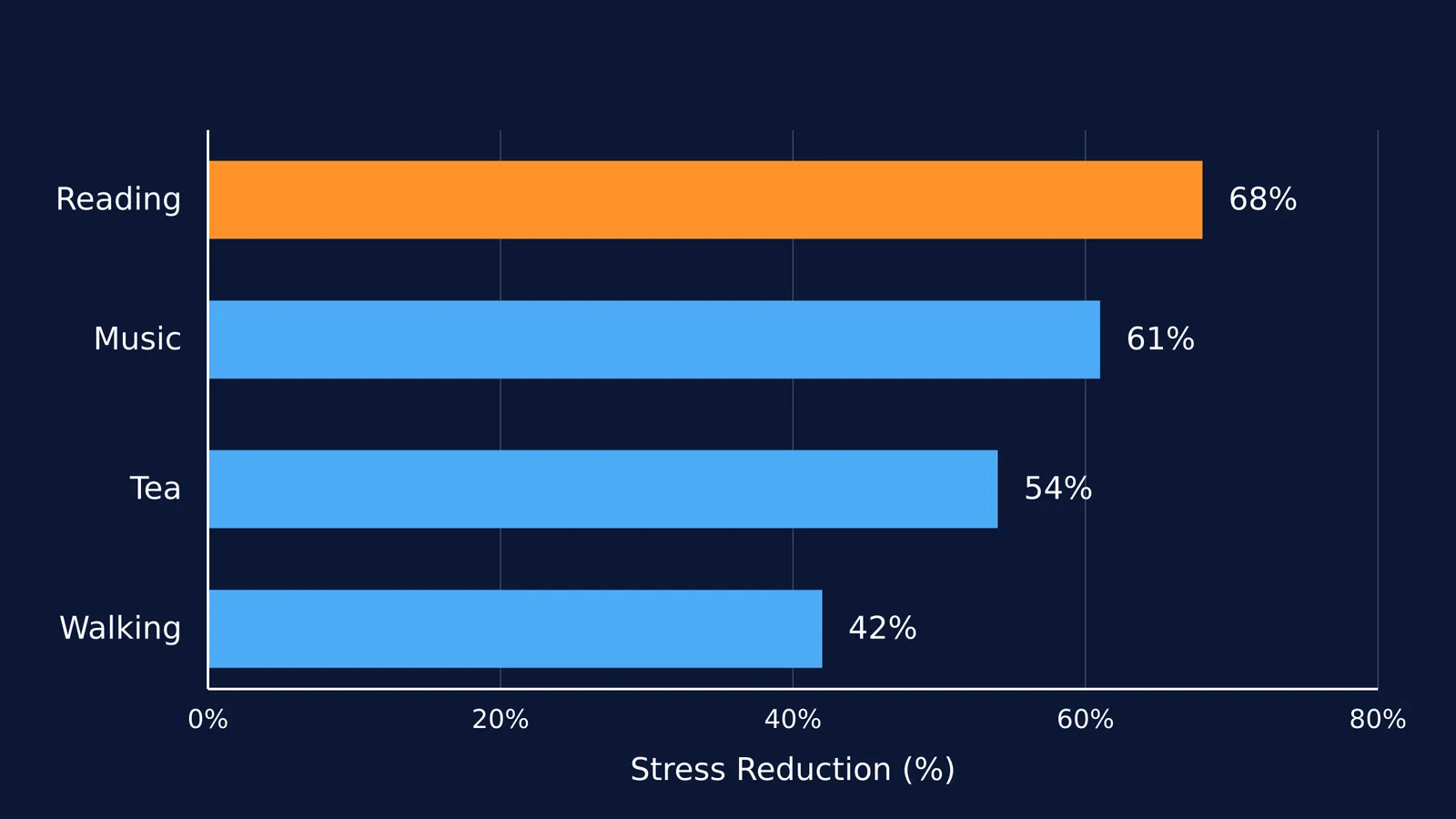
A 2009 study by the University of Sussex found that reading for just six minutes reduces stress levels by up to 68%. Led by cognitive neuropsychologist Dr. David Lewis, the research showed this simple activity was the most effective method of relaxation tested. It slows down the heart rate and eases muscle tension more effectively than listening to music (61%), drinking a cup of tea (54%), or taking a walk (42%).
When a student reads a novel, they engage their imagination and enter an altered state of consciousness. This mental escape allows the brain's prefrontal cortex to disengage from the worries of the syllabus and shut off the body's emergency fight-or-flight response. By keeping novels in their daily routine, students have a reliable and fast-acting tool to reset their nervous system after a demanding study session.
Does leisure reading distract from exam preparation?
A common worry is that reading fiction takes up cognitive energy that should be reserved for science or maths. In reality, reading broadly strengthens the underlying skills needed for all subjects.
Research by Professor Alice Sullivan and Matt Brown at the UCL Institute of Education tracked the habits of 6,000 individuals to see how reading affects learning. Their 2015 study found that children who read for pleasure between the ages of 10 and 16 made significantly more progress in vocabulary, spelling, and mathematics than those who rarely read.
The same research revealed that the cognitive progress gained from regular reading and library visits is four times greater than the advantage of having a parent with a university degree. Reading demanding fiction trains the brain to absorb and understand complex new concepts. This skill translates directly into better performance across the entire school curriculum, including non-linguistic subjects like maths and physics.
If your child is stuck on a difficult maths or physics problem, rather than letting frustration build, they can turn to the Fermi Problem Library. It provides worked problems with a step-by-step solver that explains the reasoning rather than printing an answer, clearing the roadblock so they can move on to their reading break with peace of mind.
How much time should a student read for pleasure?
If you decide to encourage leisure reading during the board exam year, the goal is to use it strategically. It should serve as a mental palate cleanser rather than a multi-hour commitment that derails their revision schedule.
Here is a practical framework for incorporating reading into a Class 10 student's routine:
Keep it brief and timed: If your child struggles to put a book down, agree on a time limit. As the Sussex study showed, even six minutes is enough to reap the physiological benefits of reading.
Use it as a transition: Schedule a 15 to 20-minute reading slot immediately after studying, just before bed. This helps the brain shift out of "exam mode" and prepares the body for sleep.
Choose the right material: The weeks leading up to the boards are not the time to start a dense, complex fantasy series. Encourage them to read short stories, graphic novels, or light fiction that they can easily put down after a chapter.
Avoid screens: Ensure the reading is done on a physical book or a dedicated e-reader without internet access. Reading on a smartphone often leads to scrolling through social media, which negates the stress-relieving benefits.
Ultimately, reading a novel is not a distraction from studying; it is a form of active rest. By allowing your child to keep their books on the nightstand, you give them a healthy, proven mechanism to manage the pressure of their board exams.


