

On this page
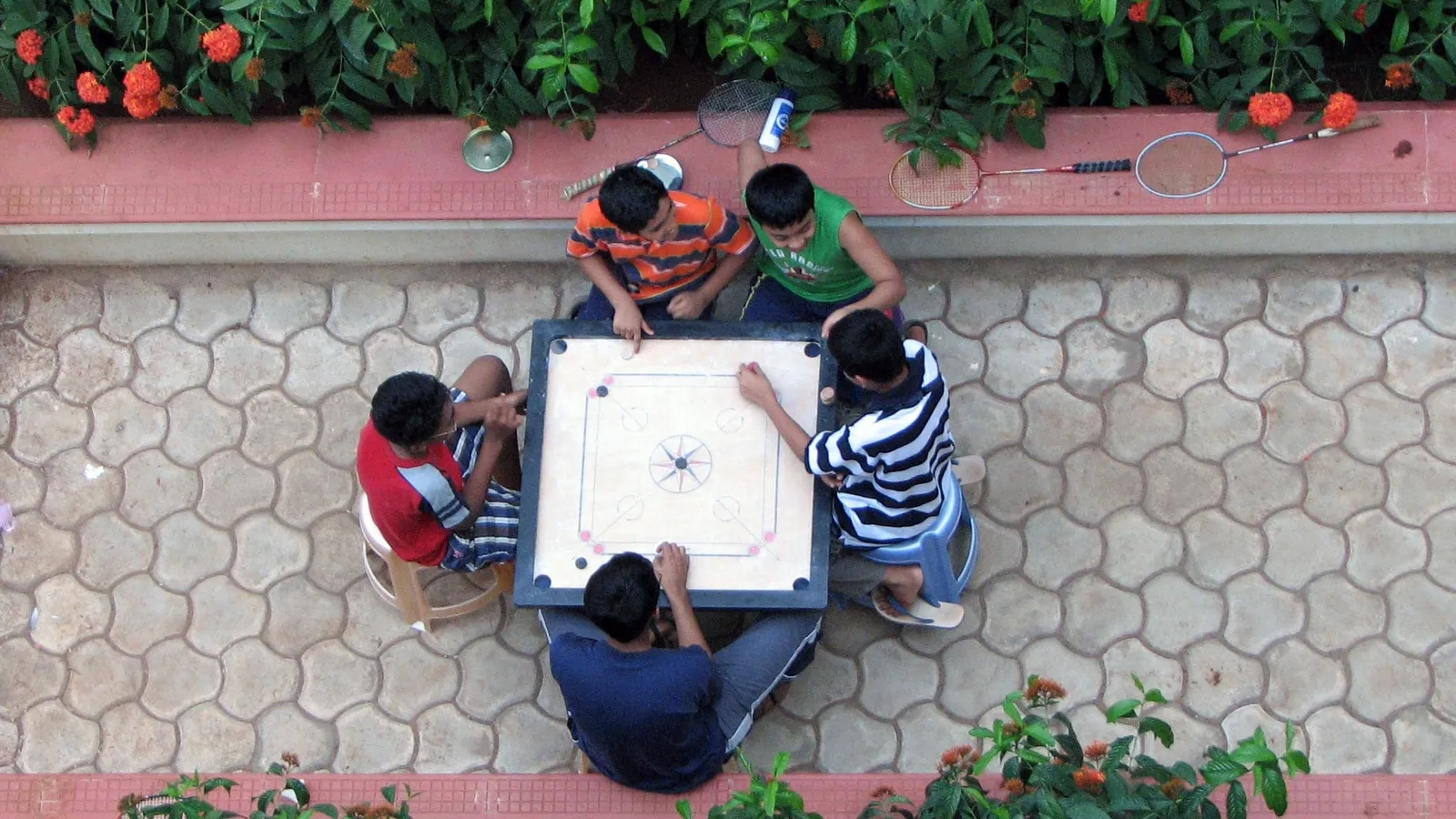
The carrom striker gets flung across the room. The Ludo board gets tipped over. The cricket bat is dragged home in silence. Most parents are unsure whether to comfort, correct or ignore it. But a lost game is low-stakes practice for the bigger disappointments coming later: a poor unit test, a mock exam, a board result. What you say in the ten minutes after a loss is the part you can shape.
What should you say when your child loses a game?
Children have told researchers fairly clearly. In a study of junior tennis players by Camilla Knight, Candice Boden and Nicholas Holt, 42 high-performance players with an average age of 13.5 took part in 11 focus groups about how they wanted parents to behave at competitions. The players said parents should comment on effort and attitude, give practical advice, respect the etiquette of the game, and match their body language to their supportive words. What they did not want from parents was technical or tactical advice.
That split is useful at home too. Effort and attitude are things a child controls on the day. The score also depends on the opponent, the luck of the dice and a dozen other things nobody controls, which makes it a poor measure of how your child did.
Why does your reaction to a loss matter so much?
Children notice how you treat failure, even when they cannot tell what you believe about ability. In a 2016 paper in Psychological Science, Kyla Haimovitz and Carol Dweck found that parents who see failure as debilitating tend to focus on their children's performance and ability rather than their learning. Children could accurately tell how their parents viewed failure, but not what their parents believed about intelligence, and children who saw their parents as fearing failure tended to believe intelligence is fixed.
Praise works in a similar way. In six studies by Claudia Mueller and Carol Dweck, fifth graders praised for being intelligent showed less persistence and enjoyment after failure than children praised for effort. So "you're a natural" after a win may make the next loss harder. Our post on process praise versus "you're so smart" has phrases you can use instead.
A four-step script for the ten minutes after a loss
Use it for board games at home and matches outside.
Pause. Say nothing about the game yet. A hand on the shoulder or "That was a tough one" is enough. Let tears or anger cool before any talk.
Name the feeling. "You really wanted that one. It's annoying to lose when you were close." Feelings are allowed; throwing pieces is not.
Ask one question about effort or choices. "Which move are you happiest with?" or "What would you try differently next time?" Let your child answer. Hold back technical tips, as the tennis players asked.
Point to the next game. "Rematch on Sunday?" ends the loss with a plan, not a verdict.
Here is how it sounds after a carrom defeat to an older cousin. Not: "Why did you keep missing the easy ones? You should have won." Instead: "That stung, didn't it? You pocketed the queen, which was a hard shot. What do you want to practise before the rematch?"
When you lose, narrate it: "I'm cross I lost. I rushed that last move. Again?" Your child sees that losing is ordinary, that adults feel it too, and that the next move is to play again.
How does losing at games help with exams?
The same steps work after a bad test, which is why practising on games pays off. The swap is simple:
Pause: do not discuss marks the moment the paper comes home.
Name the feeling: "You expected more. That's disappointing."
Ask about choices: "Which questions went wrong, and why: didn't know it, misread it, or ran out of time?"
Point to the next one: pick two topics to revisit before the next test.
That third step turns a score into information. If several mistakes came from using the wrong method, the step-by-step solver in the Fermi Problem Library works through similar problems and explains the reasoning rather than printing an answer. For the day the big results arrive, see what to say and not say on results day.
When is it more than a bad loss?
If your child is distressed for weeks, stops eating or sleeping well, avoids every competition or test, or talks about hurting themselves, talk to their school counsellor or a doctor. In India, Tele MANAS offers free counselling around the clock on 14416 or 1800-891-4416. Our post on exam stress and when to get help lists more signs to watch for.
Pick one game this week, play it with your child, and try the four steps when someone loses, whoever it is.


