

On this page
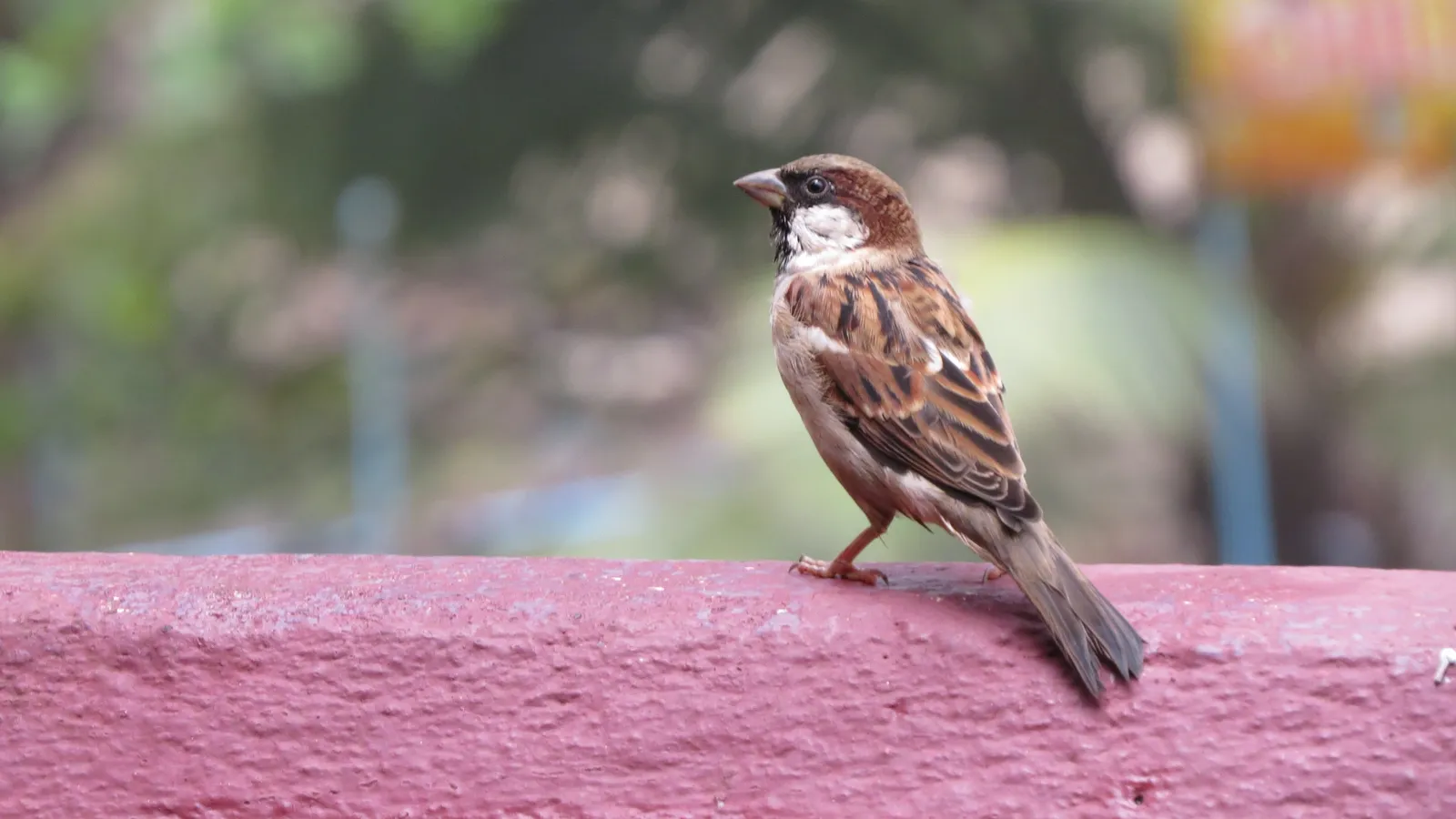
Your child does not need a forest or a field trip to start doing biology. A pigeon on the railing, a line of ants on the wall and a bee on the tulsi plant are enough. What turns them into science is a routine: the same spot, a fixed time, a tally sheet and a pencil for drawing.
Why does watching birds and insects build a biology habit?
Observing is the first skill in biology. Before anyone classifies an animal or explains its behaviour, someone has to notice it, count it and describe it accurately. A daily window watch practises exactly that, and it adds questions too: why do the mynas come back at the same hour? Why did the ants change their route after the rain?
Counting also counts as real science. Bird Count India says that what you can identify is good enough, and that these yearly counts help researchers see how birds are spread across India and whether their numbers are stable, rising or falling (Bird Count India, Great Backyard Bird Count). For more ways to keep questions coming, see our guide to encouraging curiosity in children.
How do you set up a balcony observation corner?
Keep it small and permanent, so starting takes seconds.
A fixed spot: one chair by a window or balcony that looks out on a tree, a wire or some potted plants.
A clipboard with printed or hand-ruled tally sheets, and a pencil tied to it.
A small sketchbook used only for nature drawings.
Optional: a shallow dish of water on the ledge, refreshed daily, and a flowering plant in a pot. Both give birds and insects a reason to visit.
A fixed time: early morning or late afternoon, when birds tend to be busier. Pick one and keep to it so the sheets can be compared.
What should a tally sheet look like?
Fifteen minutes is a good session length: Bird Count India asks Great Backyard Bird Count participants to watch for at least 15 minutes (Bird Count India). Each sheet has five parts:
Date, start time and end time.
Weather in a few words (sunny, cloudy, after rain).
What was seen, with tally marks. If your child does not know the name, a description works: "small brown bird, black cheek spot".
One behaviour note: eating, fighting, carrying twigs, chasing.
One question to look up later.
A worked example. Tuesday, 7:15 to 7:30 am, cloudy. Rock pigeon: 4 tally marks. Small brown bird with black cheek spot: 2. House crow: 1. Black ants: a steady line along the railing. Behaviour: one crow chased the pigeons off the ledge twice. Question: do the ants use the same route every day?
After five sheets, sit together for ten minutes and compare. Which animal showed up every day? Did cloudy days look different? That conversation, using your own data, is where a tally sheet turns into thinking.
Why should your child draw what they see?
You cannot draw a beetle's legs without counting them. In seven free-recall experiments by Jeffrey Wammes, Melissa Meade and Myra Fernandes, drawn words were recalled better than written ones (Quarterly Journal of Experimental Psychology, 2016). The authors suggest drawing works by bringing together a word's meaning, what it looks like and the hand movements of making it. In a separate article in Science, Shaaron Ainsworth, Vaughan Prain and Russell Tytler argued that drawing should be explicitly recognised as a key element of science education (Science, 2011).
Keep the rule simple: one drawing per session, labelled with arrows. Accuracy matters more than beauty. The same habit later helps in exams, as our post on drawing the diagram before you solve explains.
How can your child's sightings count for real science?
Two Indian citizen-science events give the habit a goal.
Great Backyard Bird Count (February): you watch for at least 15 minutes and upload your list on eBird. In its preliminary results for the 2026 count (14 to 17 February), Bird Count India reports 7,336 eBirders submitting 64,992 checklists of 1,092 species (Bird Count India).
Big Butterfly Month (September): a yearly citizen-science programme that invites people of all ages to do 30-minute butterfly counts, according to the dataset description published by the Ashoka Trust for Research in Ecology and the Environment (GBIF dataset).
A simple weekly plan
Monday to Friday: one 15-minute tally sheet at the same time.
Saturday: one careful drawing, and a 10-minute comparison of the week's sheets.
Sunday: look up the week's best question together.
When a question leads into textbook biology, such as how birds digest seeds or how insects breathe, the Fermi Concept Library has a lesson for each concept in biology, so you can read the explanation together. For rainy days, try these kitchen science experiments.
Start with tomorrow morning: one chair, one sheet, fifteen minutes.


