
On this page
Bioethics questions such as "Should India grow more GM crops?" have no single right answer, and they sit inside your syllabus. An AI chatbot can argue the other side for as long as you like, but it can argue well with wrong facts, so the debate only teaches you something if you check what it says.
Why debate GM crops or gene editing with an AI?
NCERT Class 12 Biology, Chapter 10, Biotechnology and its Applications, lists what genetic modification has done for crops, including tolerance to cold, drought, salt and heat and less reliance on chemical pesticides. Its section on ethical issues warns that GM organisms can have unpredictable results when introduced into the ecosystem.
Holding both ideas at once is the skill a debate partner helps you practise.
How do you set up an AI debate on bioethics?
Use three rounds. Copy these prompts and change the topic.
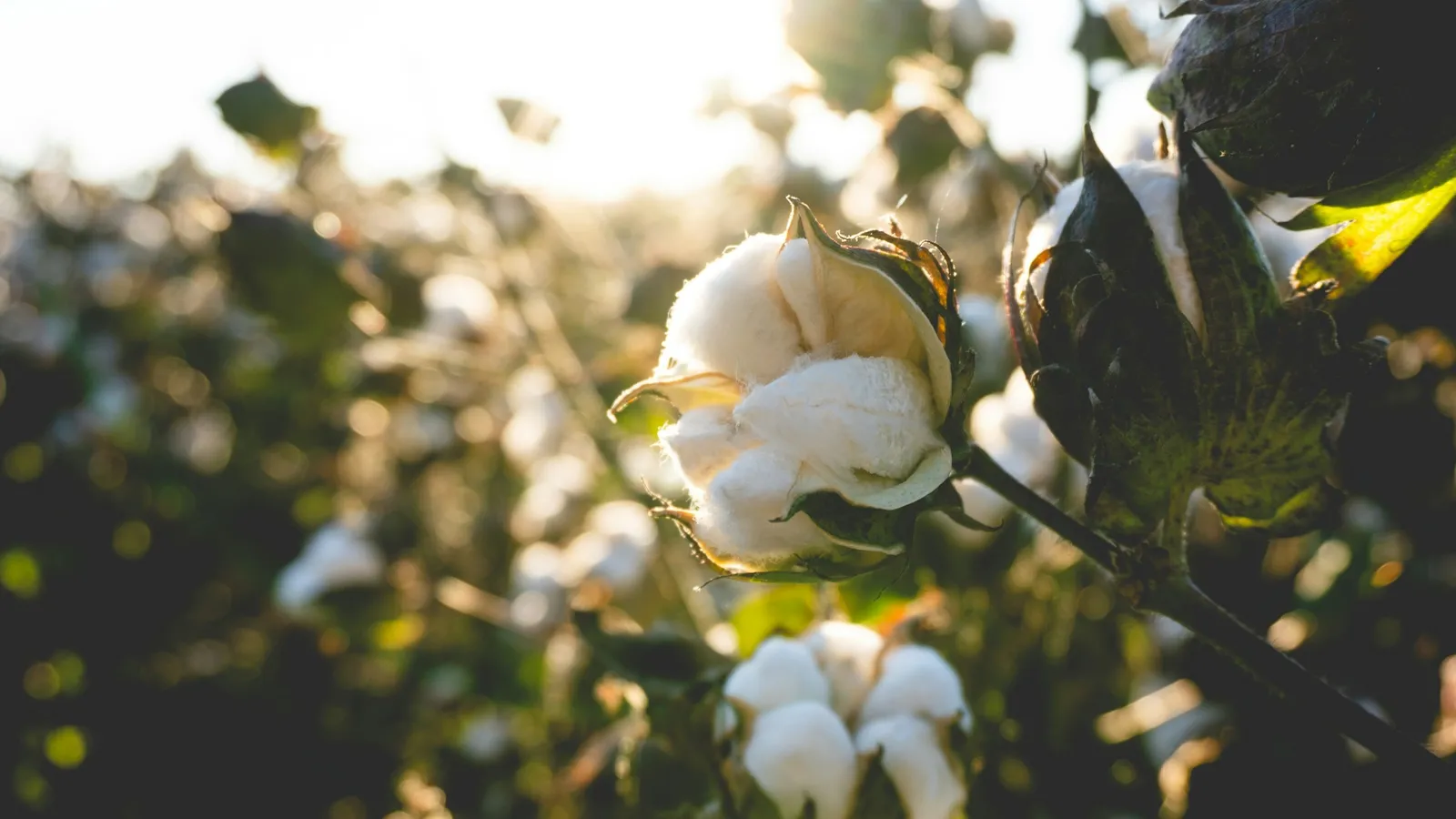
Both sides first: "Give me the three strongest arguments for and against growing Bt cotton in India, and the fact each one depends on."
You pick a side: "I will argue against. Reply as a sharp opponent, briefly, and stay on the facts."
Switch: "Now I argue for, and you argue against. Point out the weakest fact in my case."
End with: "List every factual claim you made in this debate as a numbered list." That list is your homework.
Good topics from the chapter: Bt cotton, golden rice, plant cloning by tissue culture, transgenic animals, biopiracy and gene therapy.
What does NCERT actually say about GM crops and biopiracy?
Keep these points from NCERT Chapter 10 beside you.
Bt toxin, made by the bacterium Bacillus thuringiensis, exists as an inactive protoxin and becomes active in the alkaline gut of the insect that eats it.
Plants made in large numbers by tissue culture (micro-propagation) are genetically identical to the original plant; NCERT calls them somaclones. Ask whether the chatbot's cloning arguments are about plants or animals.
NCERT says the Indian Government has set up organisations such as GEAC (Genetic Engineering Approval Committee) to decide on the validity of GM research and the safety of introducing GM organisms for public services.
Biopiracy is the use of bio-resources by multinational companies and other organisations without proper authorisation from the countries and people concerned, and without compensatory payment.
India has an estimated 200,000 varieties of rice and 27 documented varieties of Basmati, and in 1997 an American company got patent rights on Basmati rice through the US Patent and Trademark Office.
How do you check the facts an AI uses?
Take the numbered list of claims and sort each one.
Is it in NCERT? Find the page. If the chatbot's version differs, note the textbook's version.
Is it a number, date or name? Find the original: an official body, a journal paper or a government page. "A study" with no name is not enough.
Can you not find it? Strike it. An argument resting on an unchecked number is weak, however confident it sounds.
Is it an opinion dressed as a fact? ("GM food is unnatural.") Rewrite it as a value claim and defend it openly.
For gene editing, a World Health Organization (WHO) expert advisory panel released two companion reports on human genome editing on 12 July 2021, recommending an international registry to track genome editing experiments and a way to report illegal or unethical research confidentially, as the US National Academies summarised.
A worked example: one claim, checked
Say the chatbot, arguing for GM crops, writes: "Bt cotton is safe because its toxin kills every insect that eats it, so farmers need no other pest control."
Check it against the chapter. NCERT says some strains of the bacterium produce proteins that kill certain insects (lepidopterans, coleopterans and dipterans), that most Bt toxins are insect-group specific, and that pest-resistant plants could decrease the amount of pesticide used (NCERT Chapter 10). "Every insect" is wrong. "No other pest control" goes too far: the chapter does say Bt plants resist insects without insecticides, but it speaks of decreasing pesticide use, not ending it, and uses a different method, RNA interference, against a nematode pest. And "kills insects" does not show the crop is "safe" for anything else; that question needs its own source.
Your corrected line: "Bt cotton makes its own protein that kills certain insect pests, which could reduce the amount of pesticide farmers use."
The checked claim is smaller, but much harder to knock down.
If the debate shows you do not understand a term such as protoxin or transgenic, look it up in the Fermi Concept Library, which gives every concept in biology its own lesson.
How do you know the debate worked?
You can explain the strongest argument on the side you disagree with, in your own words, using only checked facts. Try it out loud at home.
If you are not sure where to start with the chapter, Fermi's AI tutor works out what you already know and builds a plan for the session, so your next debate starts from solid ground.