

On this page
Before Alessandro Volta gave his name to the volt and invented the electric battery, he studied the chemistry of gases. In November 1776, he investigated the wetlands and found methane in the marshes of Angera on Lake Maggiore, as noted in his Wikipedia biography. He carefully collected the mysterious gas that bubbled up from the muddy bottom when the sediment was disturbed. This simple but profound act of curiosity led to the discovery of methane, permanently changing the course of chemistry.
Why did Volta look for the gas?
He didn't just guess there was gas there by accident. Volta was inspired to research 'flammable air' after reading a published paper by Benjamin Franklin of the United States, who had investigated similar phenomena. Volta, exercising excellent active learning, connected what he read in a scientific text to what he saw in the physical world around the local marshes at Angera. Instead of merely accepting the text, he set out to find the gas in his own environment.
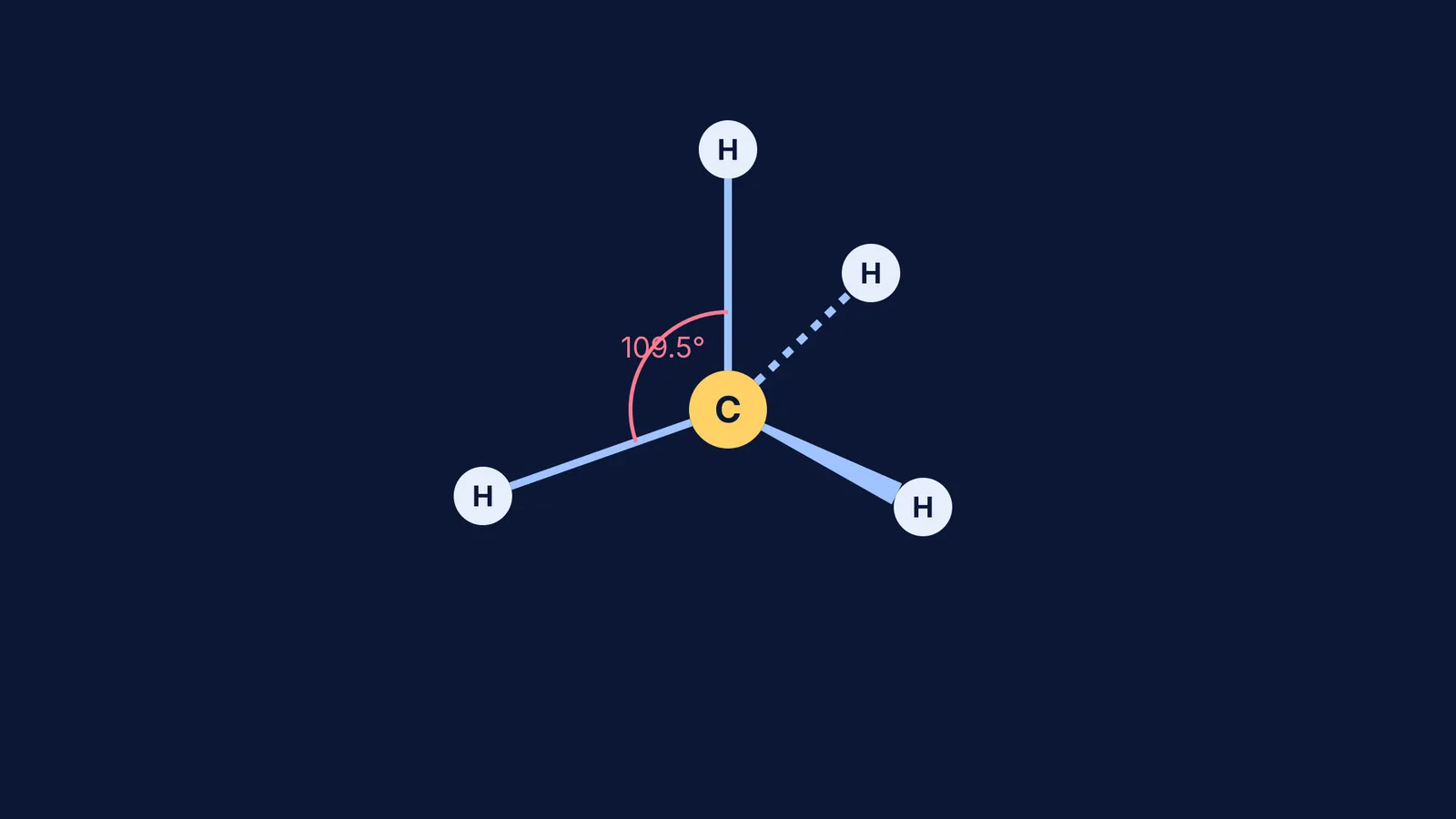
He collected the bubbles and began to rigorously test them in his laboratory. By 1778, after extensive and careful experimentation, he had successfully managed to isolate the pure gas we now know as methane (CH₄).
How did Volta connect sparks to chemistry?
Volta didn't stop at merely collecting and isolating the gas. He applied another of his intense scientific interests: the study of electricity. He devised a brilliant experiment where he ignited the purified methane using an electric spark inside a safely closed glass vessel.
Volta successfully combined ideas that seemed entirely separate at the time. He took a biological observation (decaying marsh mud), a chemical question (flammable air), and a physics tool (the electric spark) and put them all together into one coherent experiment. Many students try to learn topics in isolated boxes—keeping their physics completely separate from their chemistry or biology—but the real breakthroughs happen when you let these disciplines mix and inform one another.
How can you learn like Volta?
Volta's discovery is a perfect historical example of active learning. He didn't just read Franklin's paper, highlight a few sentences, and memorise the facts for a test. He went directly to the marsh and tested the scientific claims for himself.
For a student today, you might not be wading in a marsh to collect swamp gas, but you still need to test ideas yourself instead of passively reading a textbook. When you read a new scientific concept but aren't exactly sure how it plays out in reality, you need a place to see it in action. The Fermi Simulation Lab provides interactive simulations for the ideas that are easier to see than to read. You can change the variables, trigger the reactions, and watch what happens, applying the very same active curiosity that Volta used at Lake Maggiore.
If you get stuck trying to connect two difficult topics, Fermi's AI tutor works out what you already know, builds a plan for the session, and teaches through it — checking your understanding as it goes. It holds the line of reasoning so you can focus on the 'why' rather than just finding an answer.
Here is a practical checklist for bringing active learning into your own study routine:
Read actively: When you read a theory or equation, stop and actively look for ways it applies to the physical world around you.
Find a way to test it: Do not accept a textbook's word as the final step. Whether it is solving a hard practice problem, running an interactive simulation, or making a real-world observation, test the boundaries of the idea.
Connect it to something else: Ask how a concept in physics might explain something in biology or chemistry. Just as Volta combined gas chemistry with electric sparks, your deepest understanding will come from finding the links between your subjects.
Read more about how active engagement changes outcomes in Carl Wieman: why a Nobel physicist moved beyond the lecture, or learn how to read a science textbook actively, not just reread it.


