On this page
Plant growth regulators look like a list of five hormones with twenty effects each. The trouble is that several effects overlap: two regulators help flowering in pineapple, two affect dormancy in opposite directions, and two compete over lateral buds. This post organises the chapter by discovery, effect and use, works through the growth-rate numbers, and ends with a practice routine.
What does the syllabus include?
The NEET (UG)-2026 syllabus lists seed germination, phases of growth and growth rate, conditions of growth, differentiation, dedifferentiation and redifferentiation, and the growth regulators auxin, gibberellin, cytokinin, ethylene and ABA. These are in NCERT Class 11 Chapter 13, Plant Growth and Development. Check the syllabus for your exam year.
How were the five regulators discovered?
NCERT says each discovery was accidental. Learn them as five short stories.
Auxin: Charles and Francis Darwin saw canary grass coleoptiles bend towards light and traced the signal to the tip. F. W. Went later isolated auxin from oat coleoptile tips.
Gibberellin: E. Kurosawa (1926) reproduced the 'bakanae' (foolish seedling) disease of rice with sterile filtrates of the fungus *Gibberella fujikuroi*. The active substance was later identified as gibberellic acid.
Cytokinin: F. Skoog's group found tobacco callus grew only when auxin was supplemented with extracts such as coconut milk or DNA. Miller and colleagues (1955) identified the active substance and named it kinetin.
ABA: in the mid-1960s, three groups purified inhibitor-B, abscission II and dormin, which proved to be the same chemical.
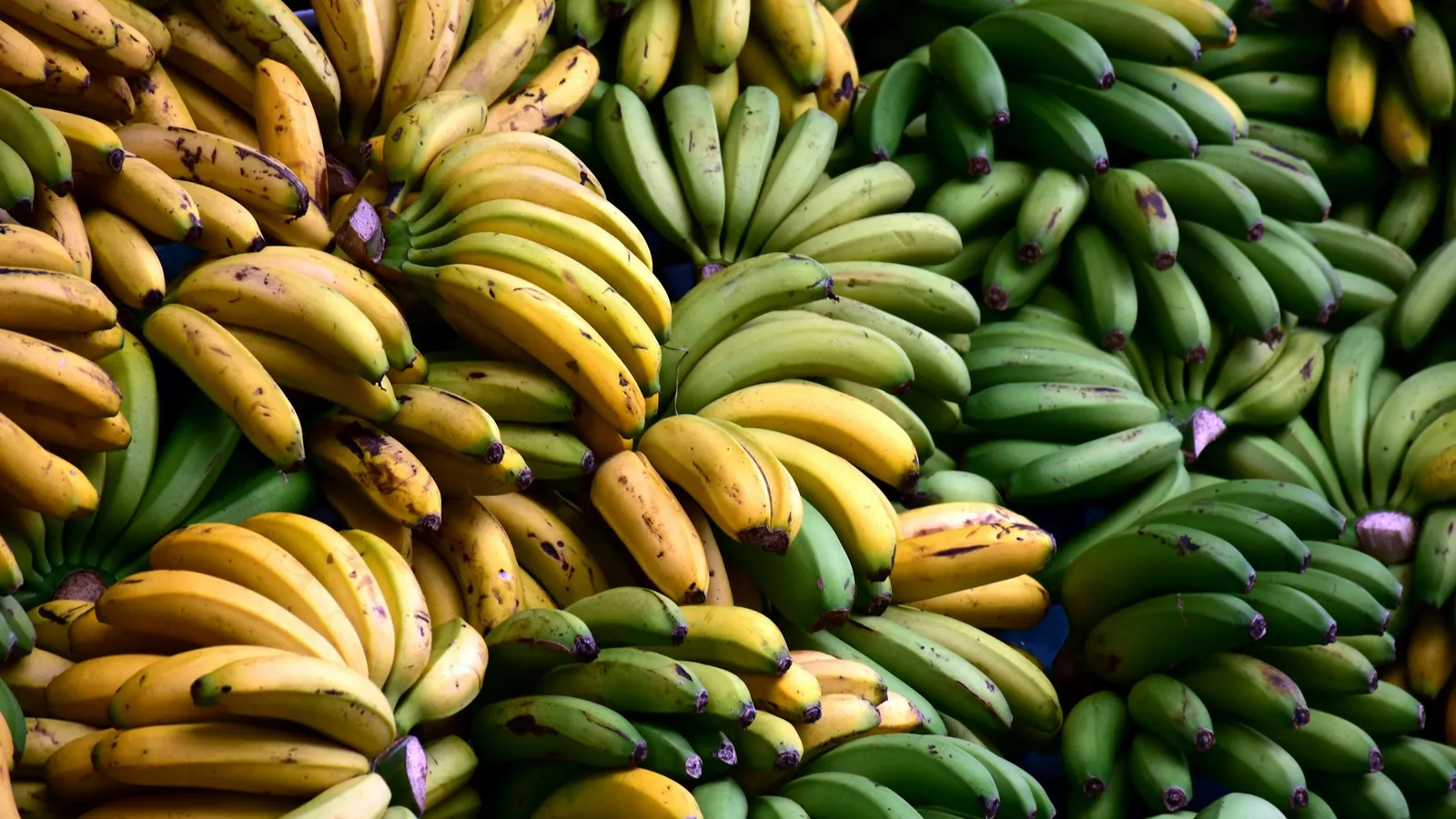
Ethylene: H. H. Cousins (1910) found that ripened oranges released a volatile substance that hastened the ripening of stored bananas.
Chemically, IAA is an indole compound, kinetin an adenine derivative, ABA a carotenoid derivative, GA3 a terpene and ethylene a gas.
What does each regulator do?
Auxins (IAA, IBA; synthetic NAA, 2,4-D): root stem cuttings, cause apical dominance, induce parthenocarpy in tomatoes, prevent early fruit and leaf drop but promote abscission of older parts. 2,4-D kills dicot weeds but not mature monocots.
Gibberellins (more than 100 known): lengthen grape stalks, elongate apples, delay senescence, speed malting, lengthen sugarcane stems (raising yield by as much as 20 tonnes per acre, according to NCERT) and cause bolting in rosette plants such as cabbage.
Cytokinins (kinetin, zeatin): promote cell division, new leaves and chloroplasts, lateral shoots and adventitious shoots, overcome apical dominance and delay leaf senescence.
Ethylene: causes fruit ripening with a rise in respiration (respiratory climacteric), senescence and abscission, breaks seed and bud dormancy, and makes deep-water rice internodes elongate. Ethephon is the common source.
ABA: closes stomata, inhibits germination, induces dormancy, increases stress tolerance (hence "stress hormone") and usually opposes gibberellins.
Worked example: "which regulator would you use?"
This is NCERT's own exercise.
Induce rooting in a twig: rooting is an auxin effect, so use IBA or NAA.
Quickly ripen a fruit: ethylene, applied as ethephon.
Delay leaf senescence: cytokinin, which promotes nutrient mobilisation.
Make axillary buds grow: cytokinin overcomes apical dominance; removing the shoot tip has the same effect.
Bolt a rosette plant: gibberellin.
Close stomata immediately: ABA.
Worked example: growth-rate sums
Arithmetic growth follows Lt = L0 + rt. A root is 2 cm long and grows 0.5 cm per day. After 6 days: L = 2 + 0.5 × 6 = 5 cm.
Geometric growth follows W1 = W0 e^rt. A tissue weighs 10 mg, with r = 0.1 per day. After 10 days, rt = 1, so W1 = 10 × e ≈ 10 × 2.718 = 27.2 mg.
Absolute versus relative rate. Leaf A grows from 5 to 10 cm² and leaf B from 50 to 55 cm² in the same time. Both have the same absolute growth, 5 cm². The relative growth rate of A is 5/5 = 100 per cent; for B it is 5/50 = 10 per cent. This is the comparison NCERT's Figure 13.7 asks you to make.
Which pairs do students confuse?
Pineapple: NCERT says auxins promote flowering in pineapples, and ethylene initiates flowering and synchronises fruit-set in them. Both are correct.
Dormancy: ABA induces seed and bud dormancy; ethylene breaks it, for example in peanut seeds and potato tubers.
Apical dominance: the auxin-producing apex suppresses lateral buds, which is why tea bushes and hedges are pruned. Cytokinins act the other way.
Kinetin does not occur naturally in plants. It came from autoclaved herring sperm DNA. Zeatin is natural, from corn kernels and coconut milk.
Auxin was first isolated from human urine.
If one of these processes, such as abscission or senescence, is still a blur, the Fermi Concept Library has a lesson on every concept in biology, so you can check the idea before memorising the hormone.
A practice routine
Make five cards, one per regulator: discovery on the front, three effects and one use on the back.
Write ten "which regulator would you use" questions from NCERT's effects list and answer them two days later.
Do three growth-rate sums: one arithmetic, one geometric, one comparing relative rates.
Link this chapter to fruit and seed formation in flowering plants and to the climacteric rise in respiration in plants.
Today, answer NCERT's six "which regulator" uses from memory, then check this list.