

On this page
Cut a tomato across, then a lemon, then split a pea pod. The seeds sit in different patterns, and those patterns come from placentation, the way ovules were arranged inside the ovary. Questions usually give a plant and ask for the type, or give the type and ask for a plant. This post shows how to work the type out from the ovary's structure instead of memorising a list, using NCERT's examples and a practical you can do at home.
Where is this in the syllabus?
The NMC syllabus for NEET (UG) 2026 lists morphology of the flower, fruit and seed, and names five families: Malvaceae, Cruciferae, Leguminosae, Compositae and Gramineae. The NCERT Class 11 chapter Morphology of Flowering Plants (reprint 2026-27) defines placentation as "the arrangement of ovules within the ovary". Its list names "marginal, axile, parietal, basal, central and free central", and its text and Figure 5.12 describe five of them with examples. Check the syllabus for your exam year.
Which three questions identify the type?
How many carpels, and are they fused? One carpel points to marginal. Several fused carpels point to axile, parietal or free central.
How many chambers (locules)? Partitions (septa) make a multilocular ovary.
Where do the ovules attach? Along one suture, on a central axis, on the wall, or at the base.
The five types from NCERT, with its examples:
Marginal: the placenta forms a ridge along the ventral suture and the ovules form two rows. Pea.
Axile: the placenta is axial and the ovules attach to it in a multilocular ovary. China rose, tomato, lemon.
Parietal: ovules on the inner wall; the ovary is one-chambered but becomes two-chambered through a false septum. Mustard, *Argemone*.
Free central: ovules on a central axis with no septa. *Dianthus*, primrose.
Basal: the placenta is at the base of the ovary with a single ovule. Sunflower, marigold.
Worked example: decode four descriptions
"Bicarpellary, syncarpous; ovary superior, bilocular, placenta swollen with many ovules." Fused carpels, two chambers, ovules on the central placenta: axile. This is NCERT's description of Solanaceae, which ends with the word "axile".
"Ovary one-chambered, ovules on a central column, no partitions." Central axis but no septa: free central.
"One chamber with a single ovule at the bottom." Basal.
"Two fused carpels, one chamber divided by a false septum, ovules on the walls." Parietal.
The two pairs that cause most errors:
Axile vs free central. Both have a central axis. Septa present means axile; no septa means free central.
Marginal vs parietal. Both carry ovules at the edge. Marginal has one carpel with one suture; parietal has two or more fused carpels with ovules on the wall.
How do the NEET families fit?
The current NCERT chapter describes only one family, Solanaceae, in full. For the families the syllabus names, use NCERT's example plants and their families on the GBIF taxonomic backbone:
Pea, family Fabaceae (Leguminosae): marginal.
Mustard, family Brassicaceae (Cruciferae, as NCERT's Figure 5.16 notes): parietal.
China rose, family Malvaceae: axile.
Sunflower, family Asteraceae (Compositae): basal.
NCERT gives no grass example for placentation, so check Gramineae with your teacher. One plant per family is an example, not a rule for every member.
A kitchen practical
Tomato, cut across: walls divide the fruit into chambers, with seeds attached towards the centre. That is axile, as NCERT says.
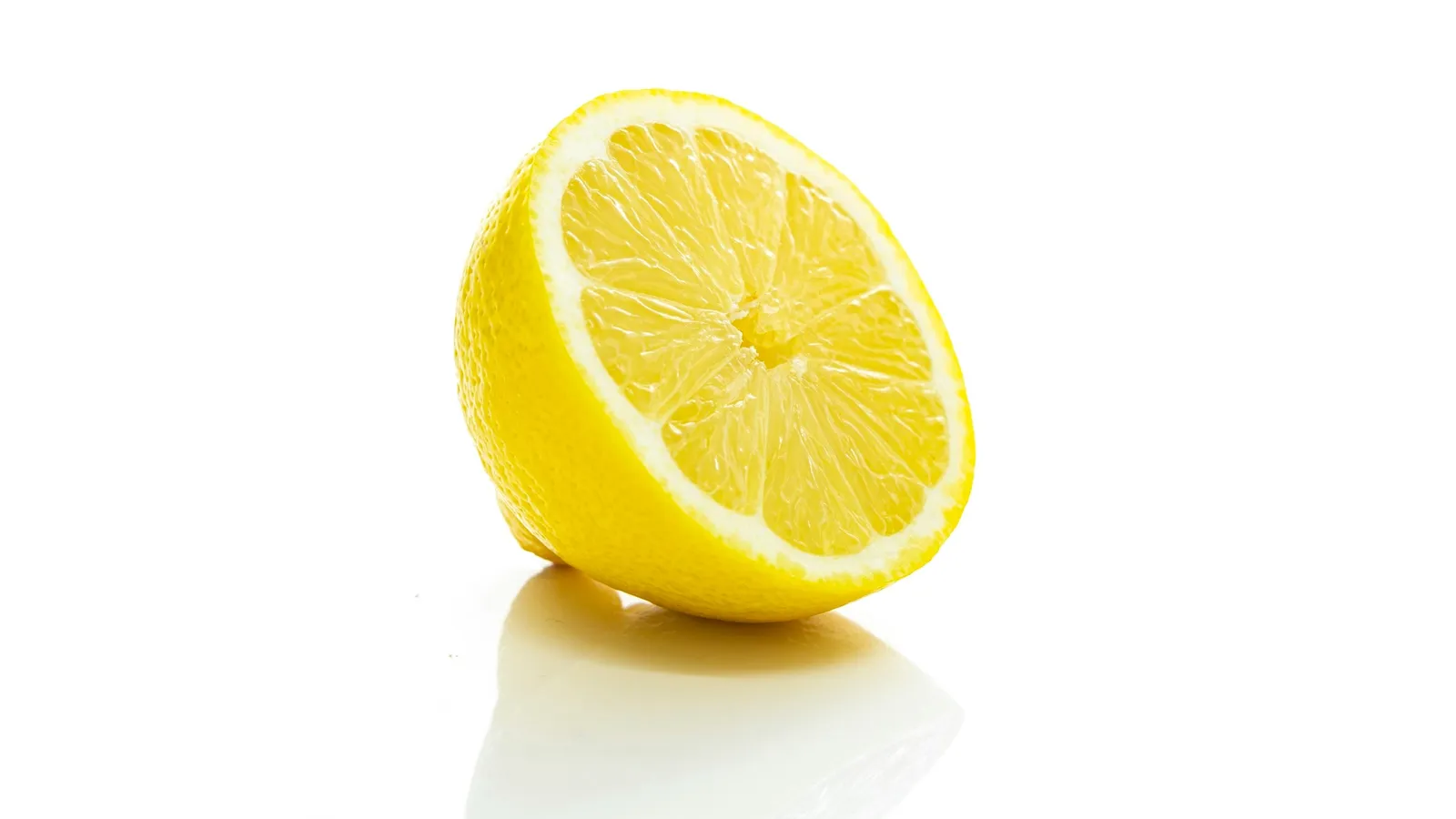
Lemon, cut across: the segments are chambers arranged round a central axis. Also axile.
Pea pod, split along its seam: the seeds attach along one edge. That is marginal.
Draw each one and label the carpel number, the chambers and the placenta.
Why test yourself instead of rereading?
In Karpicke and Blunt (2011), practising retrieval produced greater gains in meaningful learning than elaborative studying with concept mapping, even when the final test asked students to build concept maps. For this chapter, that means covering the answers and producing them.
Which mistakes cost marks?
Calling tomato or lemon free central. Both have septa, so both are axile.
Calling mustard marginal. It has two fused carpels and a false septum, so it is parietal.
Forgetting that basal has a single ovule.
Learning types without examples. Questions usually start from the plant.
A practice routine
Write the three identifying questions from memory, then the five types with one NCERT example each.
Make 12 cards with a plant on the front and its placentation on the back, and shuffle them with your aestivation and ovary-position cards.
Do the kitchen practical once and keep your labelled drawings with your notes.
Read our guide to the floral formula and morphology, then double fertilisation, since ovules become seeds.
If a term such as locule or septum is still fuzzy, the Fermi Concept Library covers every concept in physics, chemistry, biology, mathematics and computing, each with its own lesson.
Tonight, cut a tomato across and name its placentation before you look back at this page.


