

On this page
On the Face of It is a short play by Susan Hill, printed as Chapter 5 of Vistas, the NCERT supplementary reader for Class 12 English Core (NCERT chapter text). It is on the prescribed list in CBSE's English Core curriculum for 2026-27.
What happens in On the Face of It?
The play has three scenes (NCERT text).
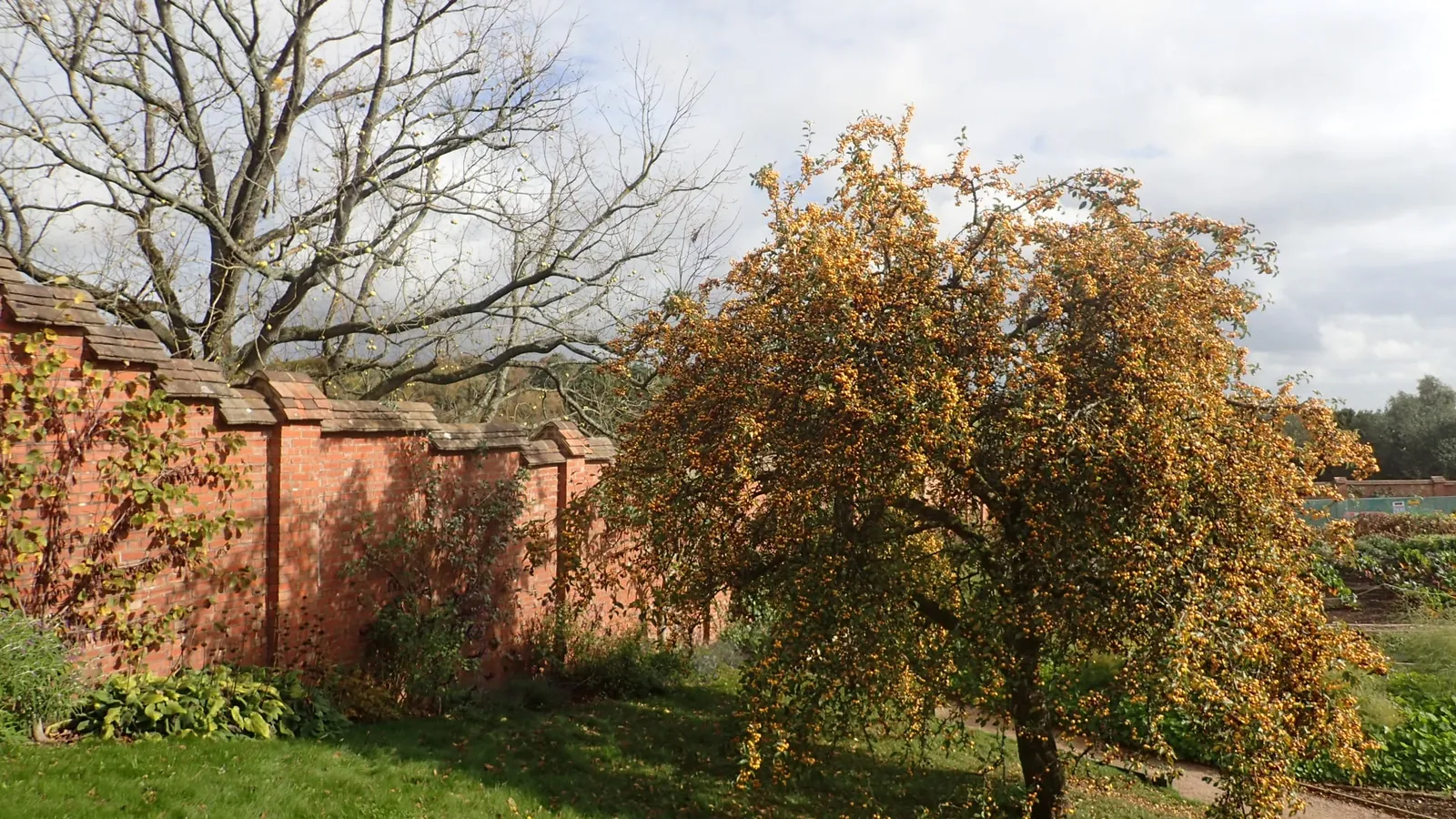
Scene one, Mr Lamb's garden. Derry, fourteen, climbs the wall into what he thinks is an empty garden. Mr Lamb, an old man who likes sitting in the sun, says the gate is always open. Derry says people are afraid of him: acid burned one side of his face. Mr Lamb, who lost a leg in the war and wears a tin one, does not pity him. He talks about weeds, bees, and a man who locked himself in a room out of fear. Derry leaves shouting that he will come back. Alone, Mr Lamb says they never do come back.
Scene two, Derry's house. His mother has heard talk about Mr Lamb and tells him not to go back. Derry says this is not about his face but about what he wants to see and find out; if he does not go back, he will never go anywhere in the world again. He runs out.
Scene three, the garden. Mr Lamb is up the ladder picking apples. The ladder falls. Derry arrives saying ‘I came back’, finds Mr Lamb lying silent on the ground, and begins to weep.
What are the main themes of On the Face of It?
Each theme rests on lines in the NCERT text.
Looking past the surface. On the face of it, Derry is a scarred, rude boy and Mr Lamb a cheerful old man. Underneath, one is curious, the other lonely.
Bitterness does more damage than injury. Mr Lamb tells Derry that hating people would do him more harm than any bottle of acid: ‘You can burn yourself away inside.’
Pity hurts; acceptance helps. Derry hates being told to ‘think of all those people worse off than you’. Mr Lamb treats him as ‘a boy who came into the garden’. NCERT's question 3 says the pain of an impairment is often much less than the sense of alienation.
Loneliness in old age. Mr Lamb claims hundreds of friends, yet expects Derry not to return.
Choosing the world. ‘The world's got a whole face,’ says Mr Lamb. By the end of scene two Derry is saying ‘I want the world’.
What are Derry and Mr Lamb like?
Derry (NCERT text; he hates his real name, Derek) is fourteen, with one side of his face burned by acid. He is defensive, angry and quick to accuse, and says he does not like being with people. Yet he listens: he likes to hear the rain on the roof. His change shows in action: he defies his mother and goes back.
Mr Lamb lost his leg in the war; some kids call him ‘Lamey-Lamb’, and he says it doesn't trouble him. His gate is always open, his windows have no curtains, and he likes to learn. He will not pity Derry or himself. His last line in scene one shows his loneliness.
What questions can come from On the Face of It in the board exam?
The CBSE 2026-27 English Core syllabus takes three kinds of question from Vistas: one prose extract out of two (4 x 1 marks), two short answers out of three in 40-50 words (2 x 2 marks), and one long answer out of two in 120-150 words (1 x 5 marks). Any Vistas chapter can be chosen, so this is practice, not prediction.
Extract: Derry's exit (‘I'm going. But I'll come back.’): who speaks, to whom, in what mood.
Short answer: Why does Derry climb the wall when the gate is open? Why does his mother want him to stay away?
Long answer: NCERT's own: what draws Derry to Mr Lamb, and will he go back to his old seclusion?
A worked plan for the 5-mark answer. Question: Will Derry go back to his old seclusion? Five moves, about 130 words:
Stance: No. One afternoon changed how he sees himself.
Before: he hides from people and thinks everyone fears him.
Turning point: Mr Lamb says acid only burns your face, and the world has a whole face to be looked at.
After: he defies his mother, says he must go back or never go anywhere again, and returns.
Close: Mr Lamb's fall may cost Derry his friend, but the change is in Derry, not the garden.
For your science papers, if the hard part is knowing where to start, Fermi's AI tutor can work out what you already know and build a plan for the session. For this chapter, reread scene one aloud, then write that answer.


