

On this page
There are over 2.1 million known and described species on Earth [[1]](https://ourworldindata.org/biodiversity). As detailed in our guide to The living world for NEET: taxonomic categories and naming, every organism shares fundamental traits despite this vast diversity. However, when preparing for biology exams, you will often need to tell the difference between a general characteristic of life and a "defining" characteristic. A defining feature is a strict rule: it must be true for every living thing without exception, and it cannot be true for any non-living thing.
Why are growth and reproduction not defining features?
Growth is a characteristic of life, but it fails the defining test because non-living objects can also grow. A mountain, a boulder or a sand dune increases in mass and size by the accumulation of material on its surface. Biological growth, on the other hand, happens intrinsically from the inside through cell division and the synthesis of new materials. However, because the general concept of an increase in mass or size is not exclusive to life, growth cannot be considered a defining feature.
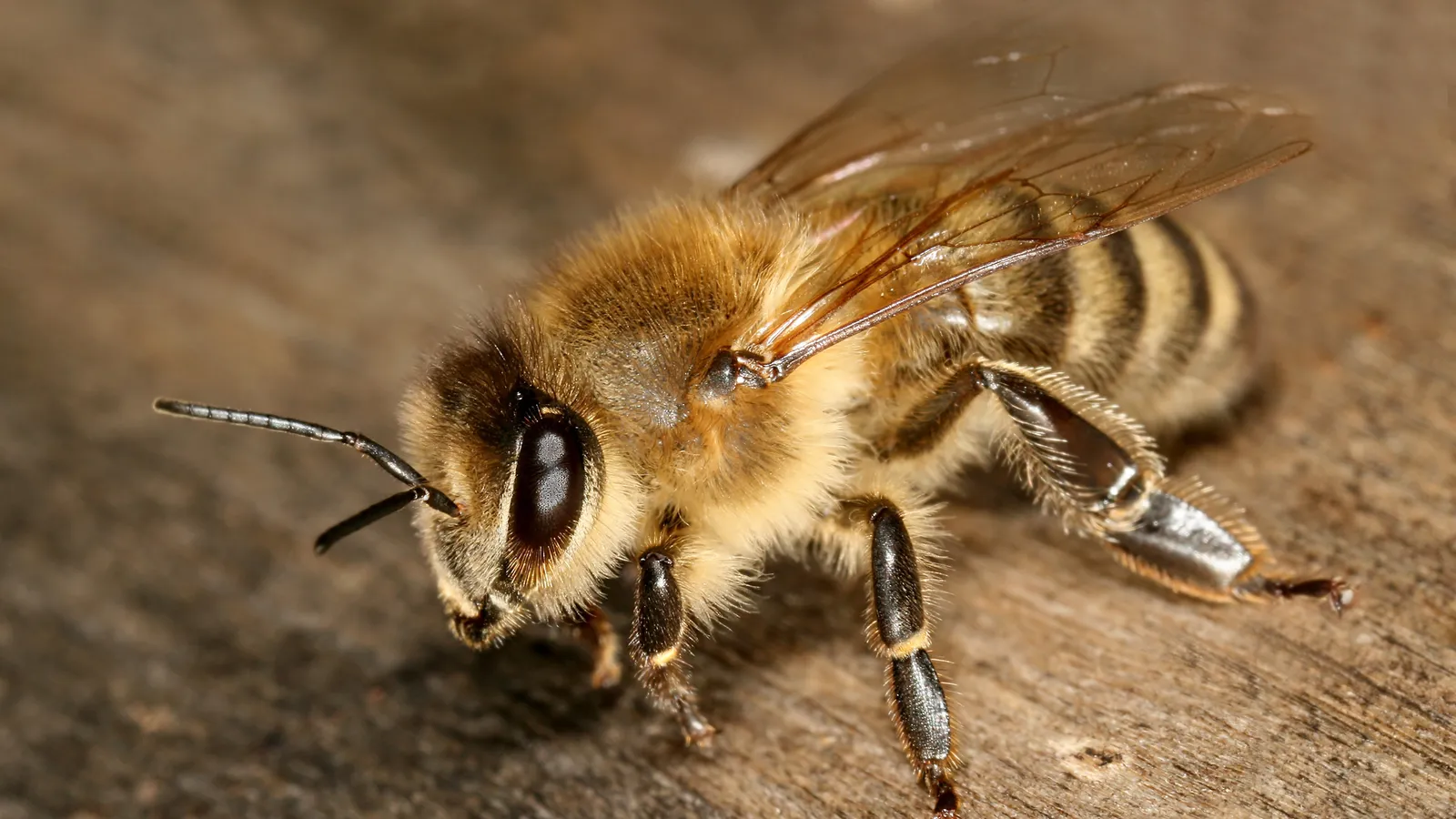
Similarly, reproduction is a fundamental biological process, but it is missing in several organisms that are unmistakably alive. Mules, sterile worker bees and infertile human couples do not reproduce. Because you can be alive without producing progeny, reproduction is a general characteristic rather than a strict defining one. It is a feature of the species, but not an absolute requirement for every individual organism.
What makes metabolism a defining characteristic?
Metabolism is the sum total of all the chemical reactions occurring in the body of an organism. You can read more about its history in our post on Archibald Garrod and the idea of inborn errors of metabolism. Thousands of metabolic reactions occur simultaneously inside all living organisms, from single-celled bacteria to complex mammals. These reactions are constantly building up complex molecules (anabolism) and breaking them down to release energy (catabolism).
No non-living object exhibits metabolism. While scientists can demonstrate metabolic reactions outside a body in a test tube (in vitro), these isolated events are considered "living reactions", not living things. Because metabolism is universal to all cells and absent in the non-living world, it is a defining characteristic. If you are trying to picture how these intricate biochemical pathways link together across a whole cell, the Fermi Concept Library lays out every concept in biology with its own lesson and its place in the map.
Is cellular organisation a defining feature?
Yes. The cellular organisation of the body is a defining feature of life forms. All living things are composed of one or more cells, which act as the fundamental units of structure and function. Anything less than a complete structure of a cell does not ensure independent living.
Viruses, for example, sit on the boundary between living and non-living precisely because they lack this complete cellular machinery. They do not have their own metabolic enzymes and are not considered truly alive until they enter and hijack a host cell's metabolism. Because every living organism is made of cells and their products, and no non-living object is cellular, cellular organisation passes the test to be a defining feature.
Why does consciousness define life?
Consciousness is the ability of an organism to sense its surroundings and respond to external physical, chemical or biological stimuli. From the simplest prokaryote to the most complex eukaryote, every living organism senses its environment. Plants respond to light, water, temperature and gravity in measurable ways. Some plants even track the changing of the seasons by measuring the length of daylight (photoperiodism) to time their flowering perfectly.
Humans take this a step further: we are the only organisms with self-consciousness, meaning we are aware of ourselves and our own existence. But the baseline ability to respond to stimuli is found in all life forms and no non-living things, securing its place as a defining feature of the living world.
How do you spot a defining feature in exam questions?
When faced with an exam question about whether a specific trait defines life, you can use this two-step checklist to avoid common traps:
Is it present in every single living organism without exception?
Is it completely absent in all non-living objects?
If the answer to both is yes, it is a defining feature. If you find an exception — like a sterile worker bee that cannot reproduce, or a growing sand dune that increases in mass from the outside — the trait is not a defining feature.
Let us test this on a common trick question: *"A patient lies in a coma on life support. Are they living or non-living?"* The patient has no self-consciousness, but their tissues still exhibit metabolism and cellular organisation. Because they still meet the defining criteria of metabolism and cellular structure, they are living.
When you bring a tricky problem set or a scanned assignment on these rules, Fermi's AI tutor works out what you already know and builds a plan for the session, checking your understanding as it goes.


