

On this page
Human physiology fills six chapters of NCERT Class 11 biology, and it is easy to revise badly: reread the chapter, highlight it again, feel ready. This plan swaps rereading for recall. It covers the six systems in the Human Physiology unit of the NMC syllabus for NEET (UG) 2026, which match NCERT Class 11 Chapters 14 to 19: breathing and exchange of gases, body fluids and circulation, excretion, locomotion and movement, neural control, and chemical coordination.
Why recall beats rereading for physiology
Roediger and Karpicke (2006) had students either restudy prose passages or take recall tests on them. On tests two days and a week later, the students who had practised recall remembered more, even though restudying made students more confident.
This is not just for memorising facts. In a 2011 study in Science, Karpicke and Blunt found that retrieval practice produced more learning from science texts than building concept maps, including on questions that needed inferences. A large review by Dunlosky and colleagues (2013) rated practice testing and distributed practice (spreading study out over time) as the only two high-utility techniques of the ten they examined.
So the plan has two rules: recall before you look, and come back to each system more than once.
The daily routine (about 90 minutes)
Blank-page dump, 10 minutes. Write everything you remember about today's system: structures, steps, numbers, hormones. No book.
Check and fill, 20 minutes. Open the NCERT chapter. Add what you missed in a different colour.
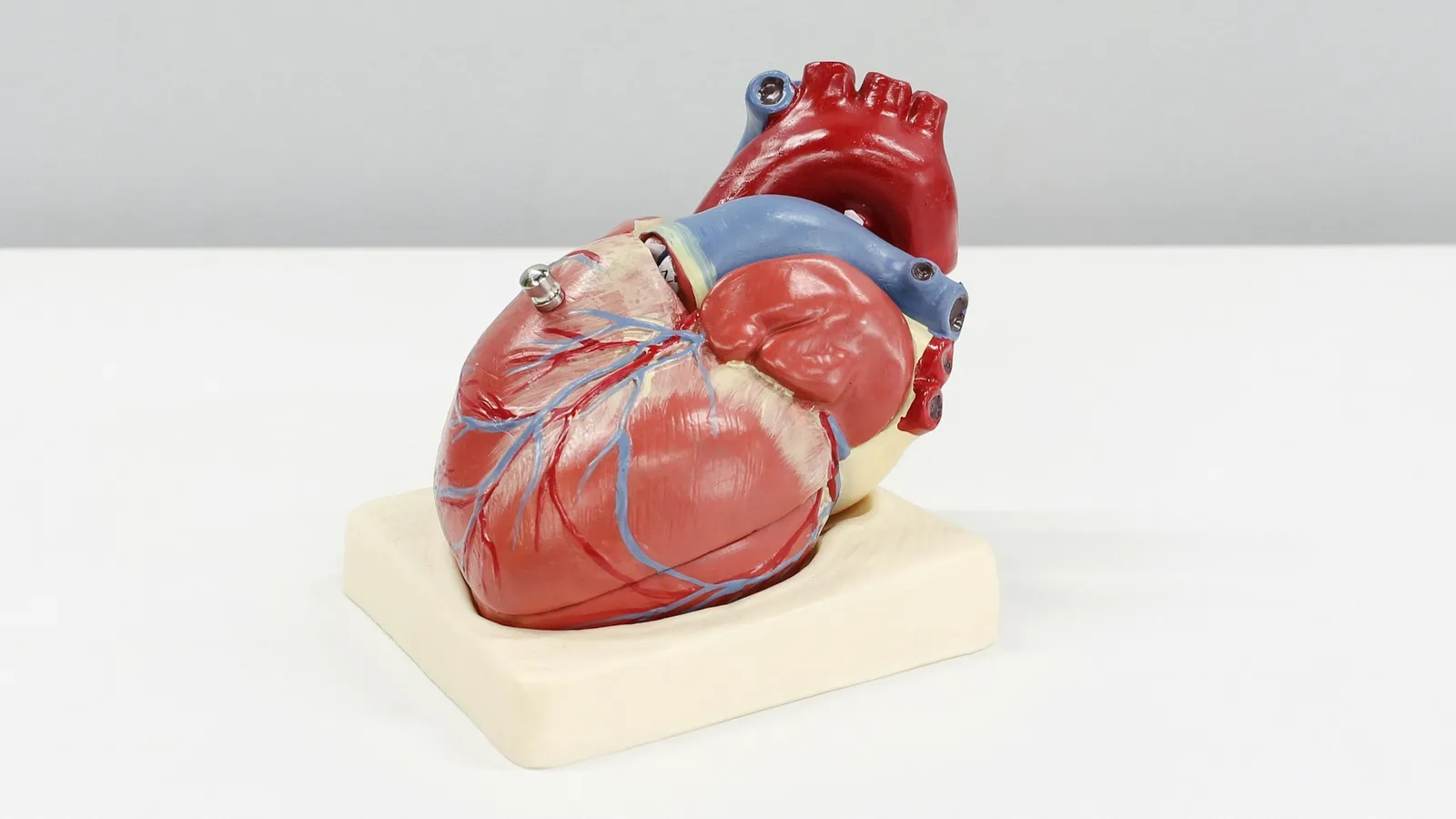
Draw one process figure, 15 minutes. Heart, nephron or sarcomere: draw it, label it, check it.
Question set, 35 minutes. About 30 MCQs on the system, timed.
Error log, 10 minutes. Write each wrong answer as a question you will ask yourself later.
The three-week plan
Week 1 (one system every two days, with a review on day 7)
Days 1 and 2: Breathing and exchange of gases (NCERT Chapter 14)
Days 3 and 4: Body fluids and circulation (Chapter 15)
Days 5 and 6: Excretory products and their elimination (Chapter 16)
Day 7: Blank-page dumps for all three, from memory, then check
Week 2 (same pattern)
Days 8 and 9: Locomotion and movement (Chapter 17)
Days 10 and 11: Neural control and coordination (Chapter 18)
Days 12 and 13: Chemical coordination and integration (Chapter 19)
Day 14: Blank-page dumps for these three, plus a quick one for Week 1
Week 3 (mixed and spaced)
Each day, take MCQs from all six systems, shuffled. Spend the last 20 minutes on error-log questions from Weeks 1 and 2. End the week with a full timed physiology test.
Retrieval prompts that link numbers to ideas
NCERT gives a few numbers worth knowing well. Don't learn them as a list. Learn why they fit together.
Breathing. Tidal volume is about 500 mL. Prompt: what is tidal volume, and how does it differ from vital capacity?
Circulation. The heart beats 72 times a minute, so one cardiac cycle lasts 0.8 seconds. Each ventricle pumps about 70 mL per beat (stroke volume), and cardiac output averages 5,000 mL a minute. Prompt: show that 72 times 70 is close to 5,000.
Excretion. The glomerular filtration rate is about 125 mL a minute, or 180 litres a day. Only about 1.5 litres leaves as urine, so nearly 99 per cent of the filtrate is reabsorbed. Prompt: where is it reabsorbed, and what controls it?
Those numbers come from NCERT Chapter 14, Chapter 15 and Chapter 16. Turning each into a "why" question is a form of elaborative interrogation, which Dunlosky's review rated moderate utility. It also makes the numbers harder to forget.
Linking the systems
Questions can cross chapter lines, so add prompts that join systems. NCERT's excretion chapter explains that when glomerular filtration falls, the juxtaglomerular cells release renin, which helps bring the filtration rate back to normal. Prompt: which system is involved, and which hormones from Chapter 19 also act on the kidney? The NMC syllabus also lists named disorders for each system and notes they are "to be dealt in brief", so add one short card for each.
If a blank-page dump keeps showing the same gap, such as how a nerve impulse is conducted, learn that idea before drilling questions on it. The Fermi Concept Library has a lesson for each concept in biology, with its place in the wider map.
For the drawing step, see learning NCERT biology diagrams for NEET. For the Week 3 test, use how to analyse a mock test. To keep revisiting physiology after these three weeks, try this spaced revision schedule.
Start with Chapter 14 tomorrow: one blank page, ten minutes, no book.


