On this page
Human Health and Disease is one of the most scoring Class 12 chapters, but it hides two kinds of trap. One is matching: four pathogens, four diseases, four vectors, in shuffled columns. The other is classification: is colostrum active or passive immunity? This post sets out the matches, then gives one rule that settles every immunity question, with a worked example.
What does the syllabus include?
The NEET (UG)-2026 syllabus lists pathogens and parasites causing malaria, filariasis, ascariasis, typhoid, pneumonia, common cold, amoebiasis, ringworm, dengue and chikungunya; basic immunology and vaccines; cancer; HIV and AIDS; and adolescence, drug, alcohol and tobacco abuse. The chapter is Human Health and Disease, Chapter 7 of NCERT Class 12 biology. Check the syllabus for your exam year.
Which pathogen causes which disease?
Learn each disease as four items: pathogen, group, how it spreads, one key feature.
Typhoid: *Salmonella typhi* (bacterium); contaminated food and water; sustained fever of 39 to 40°C; confirmed by the Widal test.
Pneumonia: *Streptococcus pneumoniae* and *Haemophilus influenzae* (bacteria); droplets or shared utensils; alveoli fill with fluid.
Common cold: rhinoviruses; droplets or contaminated objects; infects the nose and respiratory passage but not the lungs; lasts 3 to 7 days.
Malaria: *Plasmodium vivax*, *P. malariae* and *P. falciparum* (protozoa); bite of an infected female *Anopheles*; *P. falciparum* causes the most serious form.
Amoebiasis: *Entamoeba histolytica* (protozoan) in the large intestine; houseflies act as mechanical carriers.
Ascariasis: *Ascaris* (helminth); eggs in faeces contaminate soil, water and vegetables.
Filariasis or elephantiasis: *Wuchereria bancrofti* and *W. malayi* (helminths); female mosquito bite; chronic inflammation, usually of lymphatic vessels in the lower limbs.
Ringworm: *Microsporum*, *Trichophyton* and *Epidermophyton* (fungi); soil, towels, clothes or combs; dry, scaly, itchy lesions.
Dengue and chikungunya: spread by *Aedes* mosquitoes.
Ronald Ross received the 1902 Nobel Prize in Physiology or Medicine "for his work on malaria, by which he has shown how it enters the organism". NCERT's life cycle is worth tracing step by step: sporozoites enter with the mosquito bite, multiply in liver cells, then attack red blood cells. When the cells rupture, haemozoin is released, causing chills and fever that recur every three to four days. A female *Anopheles* that bites an infected person takes up the parasite, which develops and forms sporozoites in its salivary glands. The parasite needs two hosts, and the mosquito is also the vector.
How do innate and acquired immunity differ?
Innate immunity is non-specific and present at birth. NCERT lists four barriers:
Physical: skin, and mucus in the respiratory, digestive and urogenital tracts.
Physiological: stomach acid, saliva, tears.
Cellular: neutrophils, monocytes, natural killer cells and tissue macrophages.
Cytokine: interferons from virus-infected cells, which protect uninfected cells.
Acquired immunity is pathogen-specific and has memory. The first exposure gives a low-intensity primary response; a later exposure gives a much stronger secondary response. B lymphocytes make antibodies (the humoral response), and T lymphocytes carry out cell-mediated immunity, which is why transplanted organs can be rejected. Each antibody has four chains, two heavy and two light, written H2L2. Ilya Mechnikov and Paul Ehrlich shared the 1908 Nobel Prize "in recognition of their work on immunity".
Worked example: active or passive?
The rule: if the person's own immune system made the antibodies, it is active immunity. If ready-made antibodies were given, it is passive.
A child recovers from an infection. The child's B cells made the antibodies: active.
A person receives hepatitis B vaccine made in yeast. The vaccine carries antigen, and the body responds: active.
A newborn drinks colostrum, which is rich in IgA. The mother made those antibodies: passive.
A foetus receives antibodies across the placenta: passive.
A patient with a tetanus risk gets antitoxin, or a snakebite victim gets antivenom. Both contain preformed antibodies: passive. NCERT calls this passive immunisation, used when a quick response is needed.
Active immunity is slow to build. Passive immunity acts at once, which is why it is used for tetanus and snakebite.
How do vaccines work?
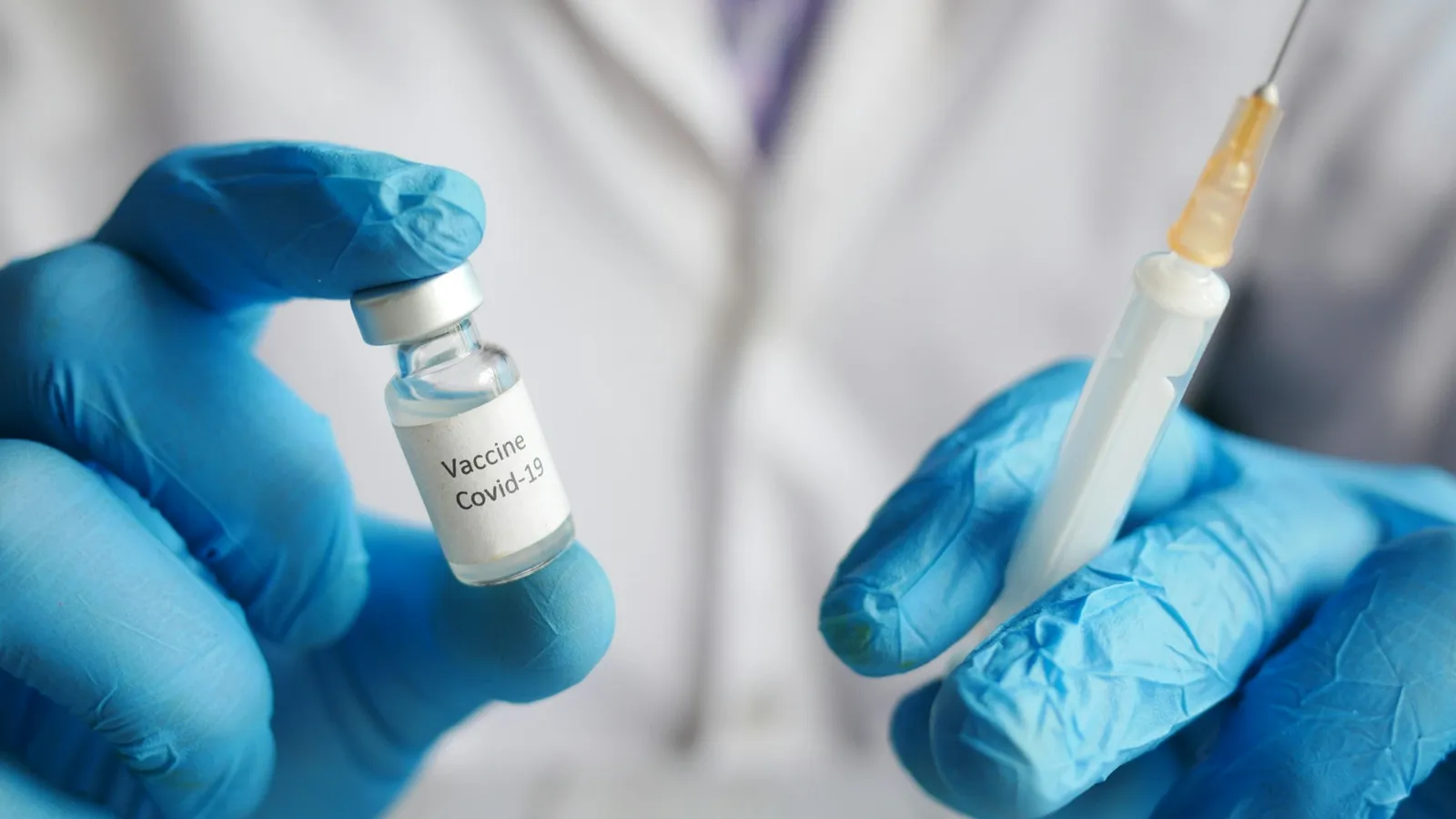
Vaccines introduce antigenic proteins or weakened or inactivated pathogens. The body makes antibodies and memory B and T cells, which respond quickly to a later infection. The WHO notes that Edward Jenner created the smallpox vaccine in 1796 and that WHO declared smallpox eradicated in 1980. NCERT adds that polio, diphtheria, pneumonia and tetanus have been controlled to a large extent by vaccines.
Which other facts get asked?
Allergy: IgE antibodies; histamine and serotonin released from mast cells.
Autoimmunity: the body attacks its own cells, as in rheumatoid arthritis.
Lymphoid organs: primary are bone marrow and thymus; secondary are spleen, lymph nodes, tonsils, Peyer's patches and appendix. MALT makes up about half the lymphoid tissue.
HIV: a retrovirus that uses reverse transcriptase, multiplies in macrophages and steadily reduces helper T cells. It spreads through body fluids, not touch. ELISA is a common test.
Cancer: cancer cells lose contact inhibition. Malignant tumours invade and spread by metastasis; benign ones stay put.
Drugs: heroin is diacetylmorphine, from morphine of *Papaver somniferum*; cannabinoids come from *Cannabis sativa*; cocaine, from *Erythroxylum coca*, interferes with dopamine transport.
NCERT also says exam stress is one pressure that can push students towards drugs or alcohol. If you or a friend is struggling, Tele MANAS, the government's national tele-mental health helpline, is on 14416 or 1-800-891-4416.
A practice routine
Write the nine diseases on cards with the pathogen, route and key feature on the back. Shuffle and test yourself.
Draw the *Plasmodium* life cycle from memory, marking where it is in the human and where in the mosquito.
Write ten immunity scenarios and sort them with the "who made the antibodies" rule.
When a term like interferon or memory cell needs more than a definition, the Fermi Concept Library covers every concept in biology with its own lesson.
Read on to microbes in human welfare and to biotechnology principles, which explains how recombinant vaccines are made.
Today, make the nine disease cards and test yourself once before you sleep.