

On this page
The terms genetic engineering and gene therapy are often used interchangeably, but they describe two different things. One is a broad set of tools, and the other is a specific way to use them. If you are preparing for exams like NEET-UG or simply trying to understand biology headlines, knowing where one ends and the other begins is essential.
How does genetic engineering work?
Genetic engineering is the process of altering the DNA makeup of an organism using laboratory technologies, according to the National Human Genome Research Institute. This manipulation can involve changing a single base pair, deleting a specific region of DNA, or adding a completely new segment.
The most famous tool in the genetic engineering toolbox today is CRISPR-Cas9, which acts like molecular scissors to cut DNA at a precise location. Older techniques, such as recombinant DNA (rDNA) technology, have been used since the 1970s to cut and paste genes between different species. These interventions create what is broadly known as a genetically modified organism (GMO). Whether it is a yeast strain engineered to brew a specific type of beer or a plant modified to survive droughts, the underlying principle is the same: the organism's original genetic code has been intentionally edited to introduce a new, desirable trait.
Scientists use these techniques across all kingdoms of life. For example, inserting a human gene into bacteria allows us to produce life-saving medicines (see Making human insulin by rDNA: joining the A and B chains). It is also the technology behind pest-resistant agricultural crops and genetically modified mice used to study human diseases (see Transgenic animals and molecular diagnosis: ELISA and PCR uses).
What makes gene therapy different?
Gene therapy is a technique that uses genes to treat, prevent, or cure diseases or medical disorders, as defined by the National Human Genome Research Institute. While genetic engineering can be used to make a tomato plant resist frost, gene therapy uses the exact same genetic tools solely on humans. Instead of manufacturing a product, the goal is to restore normal cellular function.
Gene therapy is generally divided into two main strategies: *in vivo* and *ex vivo*. In *in vivo* therapy, the therapeutic genes are injected directly into the patient's body, targeting the specific organs or tissues that need repair. In *ex vivo* therapy, doctors first extract cells from the patient, such as bone marrow or blood cells. These cells are then genetically engineered in a laboratory to correct the defect before being infused back into the patient's bloodstream. Because the patient's own cells are used, the risk of immune rejection is significantly lowered.
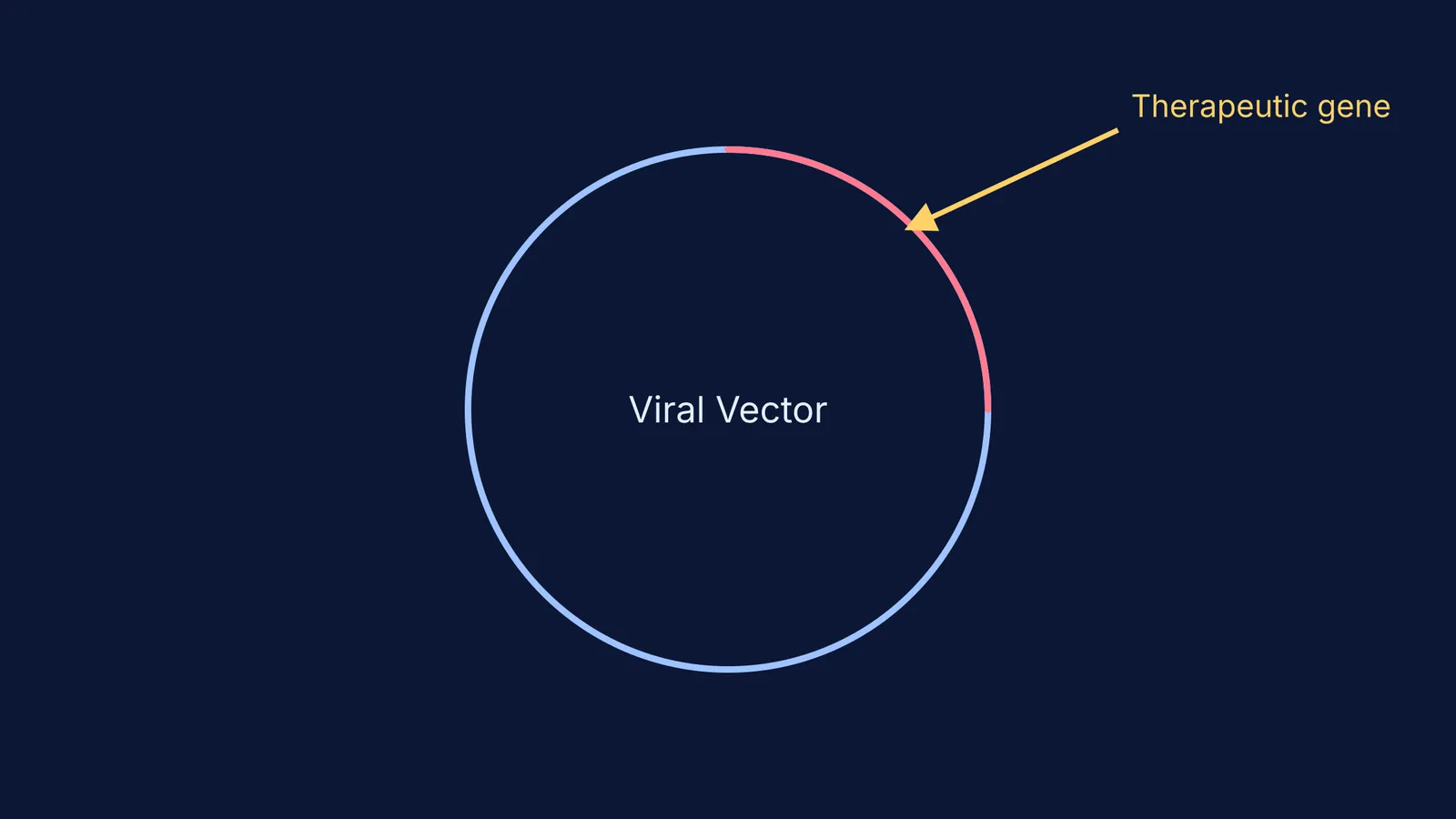
To do this, gene therapy often relies on vectors—such as disarmed viruses—to carry a healthy copy of a gene directly into a patient's cells (see Getting DNA into cells: heat shock, microinjection and gene gun). It can replace a defective gene or add a new, functioning copy of a broken gene. This approach has moved from theory to reality. As of 2026, the US Food and Drug Administration (FDA) has approved 54 cellular and gene therapy products. These approved treatments target conditions ranging from sickle cell disease to rare forms of muscular dystrophy.
Framework: How to tell them apart in an exam question
When you face a multiple-choice question in a biology exam, use this three-step framework to map the procedure to the right term.
Identify the target organism. Are they modifying a human, or are they modifying a bacterium, plant, or non-human animal? If the target is non-human, the broad term genetic engineering is the safest fit.
Identify the goal. Is the procedure designed to manufacture a biological product (like insulin or a vaccine) or to give a crop a new trait? This is genetic engineering. If the explicit goal is to cure a genetic disorder or manage a disease in a patient, it is gene therapy.
Check the delivery method. If the question describes using a viral vector or a lipid nanoparticle to deliver a healthy gene into a patient's tissues, it is describing a gene therapy protocol.
Mapping these definitions correctly prevents simple mistakes in exam papers and helps you quickly eliminate wrong options. When you have a concept gap in topics like biotechnology and its applications, the Fermi Concept Library contains detailed lessons on every technique in the syllabus and its place in the wider biological map. Understanding the core difference is the first step to seeing how textbook biology turns into modern medicine.


