

On this page
The biotechnology principles chapter teaches the tools: restriction enzymes, vectors, PCR. This next chapter asks what those tools have been used for, and NEET questions on it are often about mechanism. Why does Bt toxin not kill the bacterium that makes it? Why were insulin's two chains made separately? This post works through each application as a problem, a gene and a mechanism, then gives a worked question, common traps and a plan.
What does the NEET syllabus include?
Unit 9 of the NEET (UG) 2026 syllabus lists, under applications of biotechnology in health and agriculture: human insulin and vaccine production, gene therapy, genetically modified organisms (Bt crops), transgenic animals, and biosafety issues (biopiracy and patents). NCERT Class 12 Chapter 10, Biotechnology and its Applications covers them. If the tools themselves are shaky, read our guide to restriction enzymes, PCR and cloning vectors first.
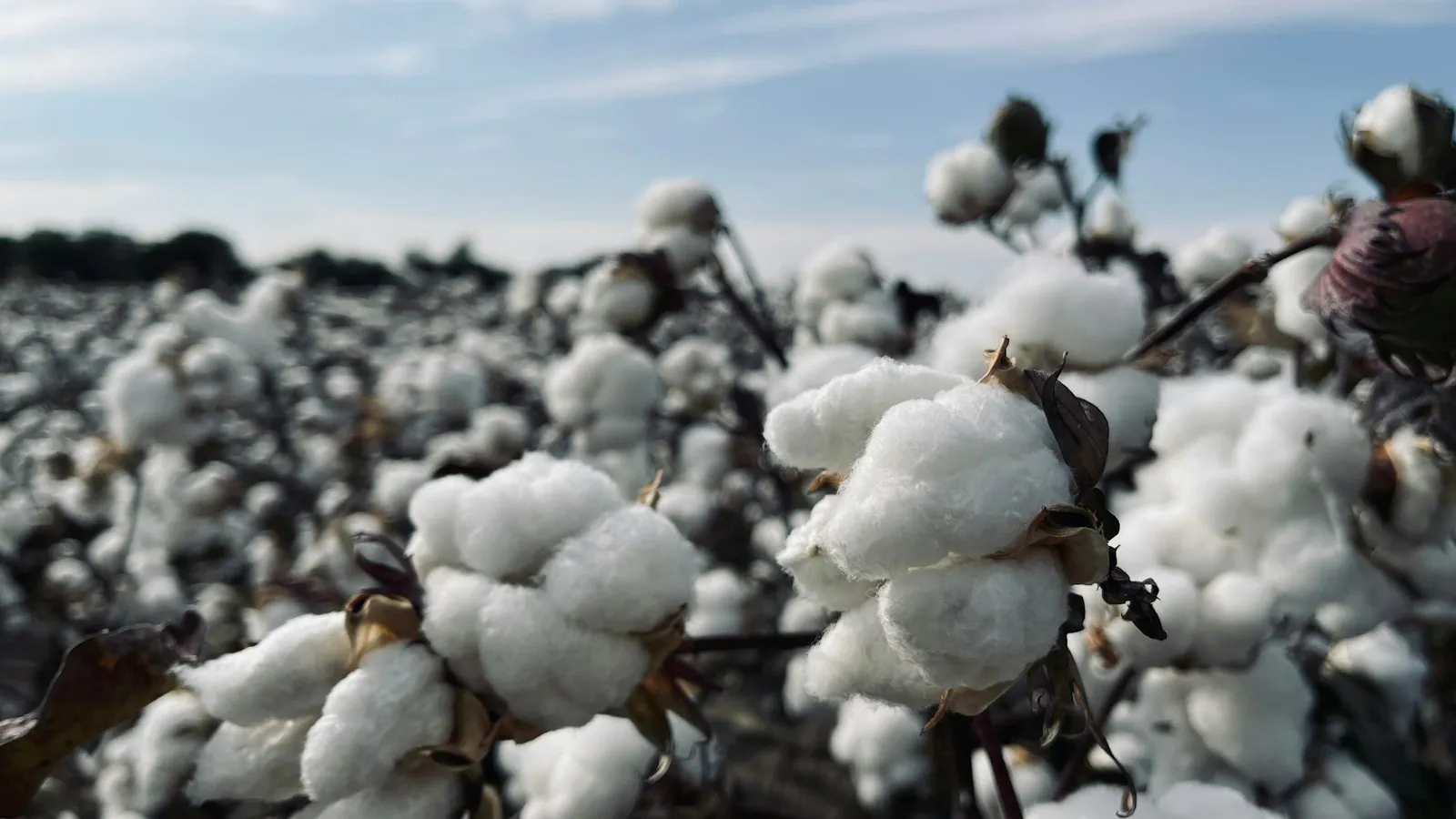
How does Bt cotton protect itself from bollworms?
Problem: insect pests that destroy crops. Gene: *cry* genes from the bacterium *Bacillus thuringiensis*. Mechanism:
Some strains of *B. thuringiensis* form protein crystals containing an insecticidal toxin.
The toxin exists as an inactive protoxin, which is why it does not harm the bacterium.
When an insect eats it, the alkaline pH of the insect's gut dissolves the crystals and activates the toxin.
The active toxin binds the midgut epithelial cells and creates pores, so the cells swell and burst and the insect dies.
Most Bt toxins are specific to insect groups, so the gene is chosen to match the pest. NCERT's examples: the proteins coded by *cryIAc* and *cryIIAb* control cotton bollworms, and *cryIAb* controls the corn borer.
How does RNA interference protect tobacco from a nematode?
Problem: the nematode *Meloidogyne incognita* infects tobacco roots and cuts yield. Mechanism: RNA interference (RNAi), a natural cellular defence in eukaryotes in which a complementary double-stranded RNA silences a specific mRNA. Using *Agrobacterium* vectors, scientists introduced nematode-specific genes into the plant so that it made both sense and antisense RNA. The two strands paired into dsRNA, which silenced the nematode's mRNA, and the parasite could not survive in the transgenic plant.
The discovery behind this earned Andrew Fire and Craig Mello the 2006 Nobel Prize in Physiology or Medicine. Their 1998 paper in Nature reported "potent and specific genetic interference by double-stranded RNA" in the worm *C. elegans*.
How is human insulin made in bacteria?
Problem: insulin from slaughtered cattle and pigs caused allergies in some patients. The catch: insulin is made as a pro-hormone with an extra stretch, the C peptide, which is removed during maturation. Getting bacteria to assemble mature insulin was the main challenge. Solution: in 1983 Eli Lilly prepared two DNA sequences for the A and B chains, put them into plasmids of *E. coli*, produced the chains separately, then combined them by forming disulphide bonds.
What was the first gene therapy?
In 1990, a four-year-old girl with adenosine deaminase (ADA) deficiency received the first clinical gene therapy. In NCERT's description of the method, lymphocytes from the patient's blood are grown outside the body, given a functional ADA cDNA using a retroviral vector, and returned to the patient. Because those cells are not immortal, the patient needs periodic infusions. NCERT notes that putting the gene into early embryonic cells could be a permanent cure.
The trial's results were reported in Science in 1995: it began in 1990 with two children, their blood T-cell counts normalised, and ADA expression in T cells persisted after treatment ended.
Transgenic animals, diagnosis and ethics
Transgenic animals: over 95 per cent are mice. They are used to study normal physiology, model diseases such as cancer and cystic fibrosis, make biological products, and test vaccine and chemical safety. In 1997 Rosie, the first transgenic cow, produced milk with human alpha-lactalbumin (2.4 grams per litre).
Molecular diagnosis: PCR detects very low amounts of a pathogen's nucleic acid before symptoms show, and ELISA works on antigen-antibody interaction.
Ethics: India set up the Genetic Engineering Approval Committee (GEAC) to judge the validity of GM research and the safety of releasing GM organisms. NCERT's biopiracy example is a 1997 US patent on Basmati rice derived from Indian farmers' varieties.
Worked example: an assertion-reason question
Assertion: Bt toxin does not kill *Bacillus thuringiensis*. Reason: The toxin is stored as an inactive protoxin that becomes active only at the alkaline pH of the insect gut.
Is the assertion true? Yes, the bacterium is not harmed by its own toxin.
Is the reason true? Yes, NCERT says exactly this.
Does the reason explain the assertion? Yes: an inactive protoxin cannot harm the cell that stores it.
Answer: both true, and the reason is the correct explanation. A common distractor swaps "alkaline" for "acidic". The insect gut is alkaline in NCERT's account.
Common mistakes and how to avoid them
**Mixing up the *cry* genes.** *cryIAc* and *cryIIAb* for cotton bollworms; *cryIAb* for corn borer.
Saying RNAi kills the plant's own mRNA. It silences the nematode's mRNA.
Forgetting the C peptide. It is the reason the chains were made separately.
Calling ADA gene therapy a permanent cure. In the lymphocyte method, infusions must be repeated.
A plan for this chapter
Write the problem-gene-mechanism triple for each of the five applications from memory, then check against NCERT.
Draw the steps of Bt action and of RNAi as two flow diagrams.
Answer five assertion-reason questions from previous papers, and for every wrong answer note which step of the mechanism you missed.
Connect insulin and vaccines with our post on microbes in human welfare.
If a mechanism such as RNAi does not make sense from the text, the Fermi Concept Library has every concept in biology with its own lesson, so you can work through that one idea before returning to the chapter.
Today, close the book and write the four steps of Bt toxin action in order, then check them against NCERT.


